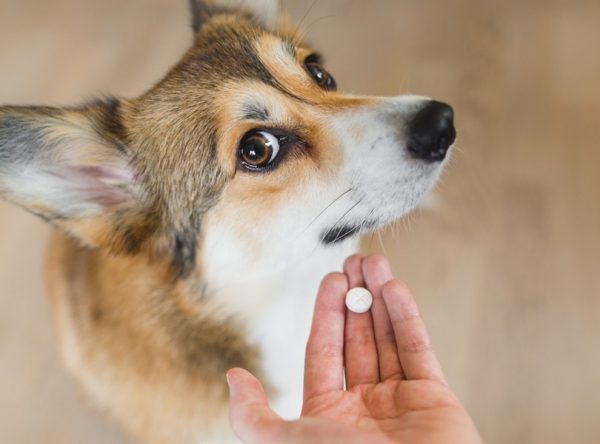
The FDA has approved the first dual-purpose medication designed to treat canine anxiety through two distinct mechanisms of action. This breakthrough addresses a persistent gap in veterinary behavioral medicine, offering dogs a new therapeutic option for anxiety-related conditions.
The medication works by targeting both neurotransmitter reuptake and receptor modulation, allowing veterinarians to address multiple pathways involved in anxiety responses. Traditional single-action anxiolytics often require higher doses or combination therapy to achieve therapeutic effects. This dual approach delivers more comprehensive relief at lower doses, potentially reducing side effects while improving outcomes.
Canine anxiety affects millions of dogs across North America, manifesting as separation anxiety, noise phobia, generalized anxiety disorder, and fear-based aggression. Conditions like thunderstorm anxiety and fireworks phobia cause significant distress to both dogs and their owners. Previously, veterinarians relied on benzodiazepines like alprazolam, SSRIs such as fluoxetine, or trazodone, each addressing only part of the neurobiological puzzle.
This FDA approval followed rigorous clinical trials demonstrating safety and efficacy in dogs experiencing moderate to severe anxiety. The medication showed faster onset of action compared to existing SSRI options, with measurable behavioral improvements within one to two weeks rather than the typical four to six weeks required for traditional antidepressants.
Veterinary behaviorists recognize this advancement as particularly valuable for acute anxiety episodes where rapid intervention prevents behavioral deterioration. The dual-action mechanism also shows promise for dogs that failed to respond adequately to monotherapy with single-action drugs.
Pet owners considering this medication should work with their veterinarian to determine whether their anxious dog meets the diagnostic criteria for treatment. Behavioral modification training remains essential alongside pharmaceutical intervention. Side effects appear mild in clinical populations, though individual responses vary. This approval represents meaningful progress in canine mental health care