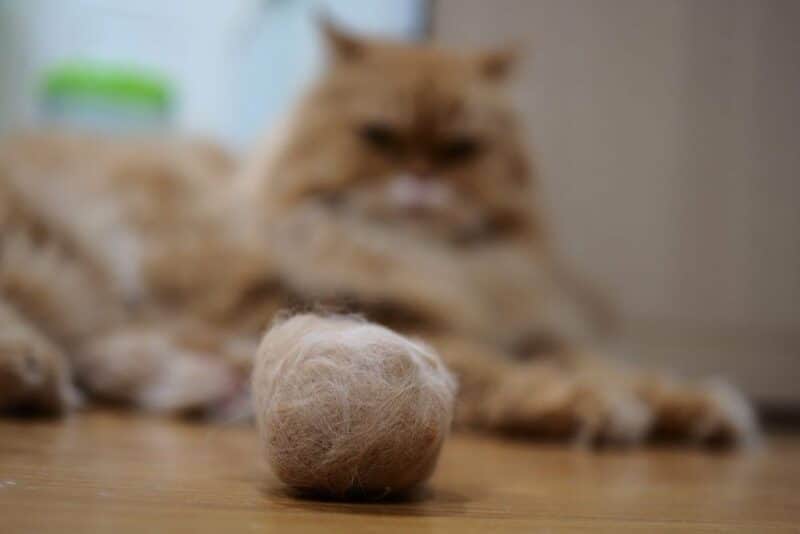
# Hairballs Don't Have to Plague Your Cat
Hairballs are a normal part of cat life, but they don't have to become a chronic problem. Pet owners can prevent most hairball issues with straightforward daily habits that reduce the amount of loose fur cats ingest during grooming.
Regular brushing removes dead hair before cats swallow it. Daily brushing works best, especially for long-haired breeds like Persians, Maine Coons, and Ragdolls. Short-haired cats benefit from brushing several times weekly. This simple step dramatically cuts hairball frequency without medication or special diets.
Hydration helps move hair through the digestive system. Cats that drink more water process swallowed fur more efficiently. Offering fresh water in multiple locations throughout your home encourages drinking. Some cats prefer running water, so a cat water fountain may increase intake.
Diet changes offer another effective approach. Specialized hairball-control cat foods contain added fiber and oils that ease digestion and promote coat health. Brands formulate these diets to help hair pass through the system rather than accumulate in the stomach. Your veterinarian can recommend options suited to your cat's age and health status.
When hairballs persist despite prevention efforts, veterinarians sometimes recommend hairball remedies like petroleum-based lubricants or fiber supplements. These products coat the digestive tract and encourage intestinal movement. Always consult your vet before starting supplements, as some cats have sensitivities.
Watch for warning signs of serious blockages. Cats that cannot vomit up hairballs, show repeated vomiting, lose appetite, or appear lethargic need immediate veterinary attention. Unlike normal hairball episodes, intestinal obstructions require professional treatment and sometimes surgery.
Most cats experience occasional hairballs that pass naturally. The combination of consistent grooming