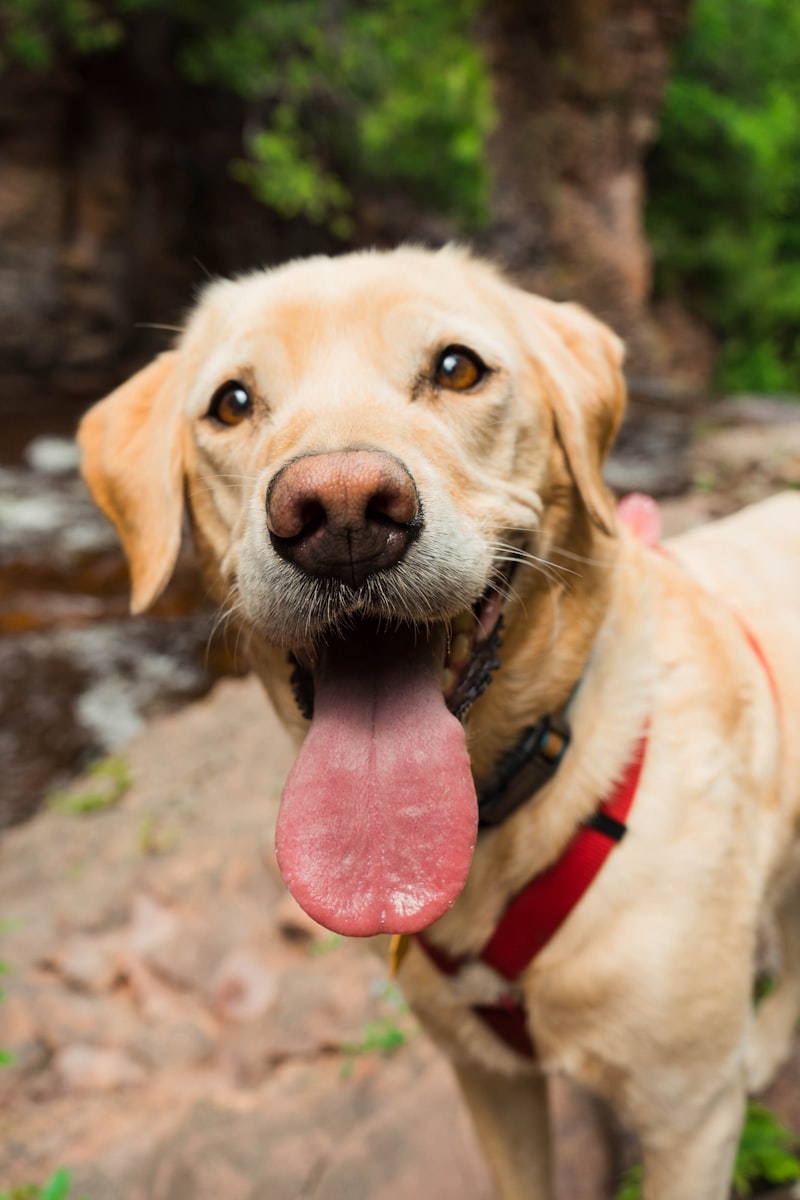
We love a good adoption narrative. A stray finds a home. A rescue puppy gets a second chance. A woman opens her heart to seven cats instead of none. These stories flood our feeds because they're true, they matter, and they make us feel like the system works.
But here's the uncomfortable truth: our collective comfort with these heartwarming moments might be preventing us from asking what actually needs to change in pet adoption itself.
The consensus is clear. Adoption good. Shelters heroic. People who rescue, noble. This framing is not wrong, exactly. It's just incomplete. And incomplete narratives have a way of letting the real problems hide in plain sight.
Consider what these adoption success stories actually reveal about the current state of pet welfare. When we celebrate a kitten in a stroller finding its forever home, we're implicitly accepting that strays need viral moments to get noticed. When we cheer rescue puppies making sports cameos, we're overlooking why these dogs needed rescuing in the first place. When we marvel at pilots flying rescue animals across state lines, we're normalizing a system where transportation logistics are the limiting factor on life-saving adoptions, not capacity or resources.
The better question isn't whether adoption is good. It's what does this trend break next?
The adoption infrastructure was designed for a different era. Shelter systems, breed-specific rescue networks, foster programs, transport operations, and adoption placement standards all evolved independently, often in response to crisis rather than strategy. They work. People adopt. Animals get homes. But they work inefficiently, inequitably, and with massive blind spots.
Right now, adoption success is heavily mediated by narrative appeal. A kitten in a stroller gets photographed. A puppy with athletic star power gets exposure. A cat with a compelling disability story goes viral. But what about the older dog that photographs poorly? The adult cat without a compelling backstory? The animals whose rescue doesn't make for good social content?
We've accidentally created a two-tiered adoption system where an animal's chances correlate as much with its storytelling potential as with actual welfare outcomes.
There's also the question of standards. When adoption is decentralized across thousands of organizations with different vetting processes, different placement criteria, and different follow-up protocols, we're not actually measuring whether adoptions are working long-term. We're measuring whether animals left the shelter. Those are different things.
A dog that gets returned three times because its behavioral needs weren't properly assessed. A cat placed with someone who can't afford emergency vet care but wasn't screened for financial stability. These aren't heartwarming stories. They're system failures that we've learned to accept as inevitable.
The pilots flying rescue animals across the country? Necessary, heroic, and also a band-aid on a wound that needs actual medical treatment. If our adoption network was truly efficient, we wouldn't need this level of transportation infrastructure to move supply closer to demand.
What breaks next is probably transparency. As adoption becomes more professionalized and data-driven, we're going to have to confront some uncomfortable metrics. Readoption rates. Animal outcomes at different types of facilities. Demographic disparities in who gets approved for adoption. Behavioral assessment accuracy. Cost per successful placement.
These numbers might not be as emotionally satisfying as a story about a kitten in a stroller. But they're what actually matter for animal welfare at scale.
I'm not arguing against adoption. I'm arguing for something harder: adoption that's driven by data and equity rather than just stories and sentiment.
The comfortable consensus celebrates individual rescues. The better question asks how we break the system that created the need for rescue in the first place, and how we measure whether adoption infrastructure actually serves animals, not just our need to feel good about them.