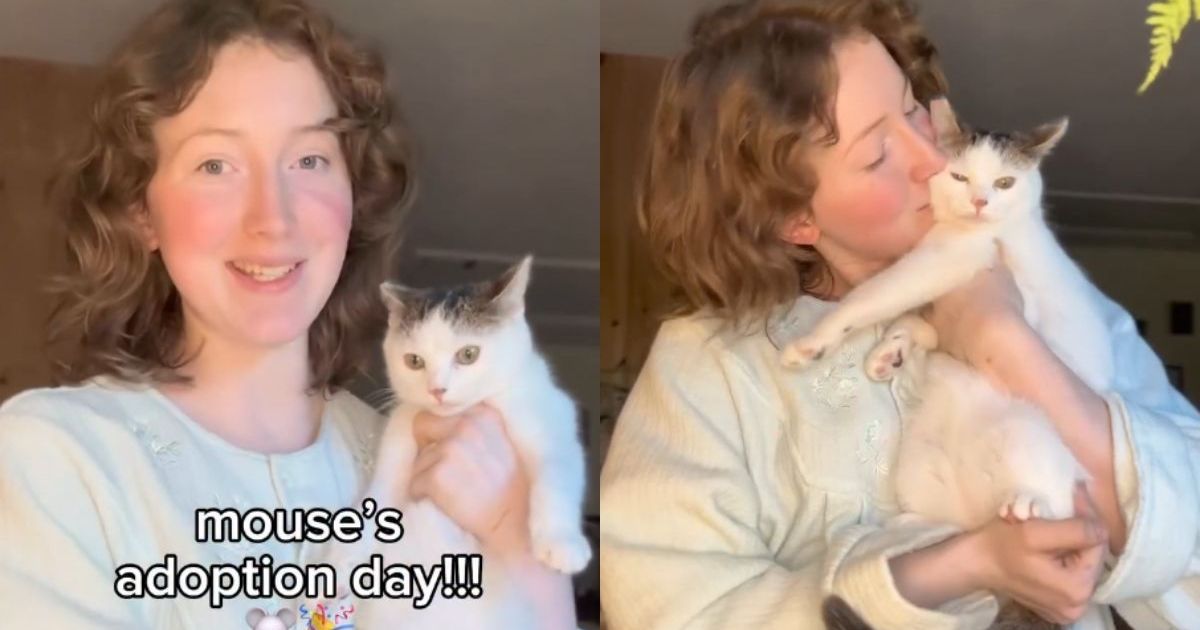
Lido, a young rescue cat nicknamed "Mouse," arrived at his foster home terrified and withdrawn, hiding from his new caregiver during those critical first hours. But the fearful shelter cat quickly turned things around, displaying encouraging signs that suggest a brighter path forward.
Like many animals transitioning from shelters to homes, Lido needed time to adjust. Shelter environments can overwhelm sensitive cats, triggering fear responses that make them retreat entirely. His initial hiding behavior was completely normal. What changed things was his willingness to emerge and explore, a signal that he felt safe enough to take small risks with his foster caregiver.
Within hours, Lido showed curiosity. He began investigating his new space and responding positively to human interaction. These early positive signs matter tremendously for a frightened cat's recovery. When scared rescue cats display trust this quickly, it often indicates they have good temperament underneath the fear and will respond well to a patient, consistent foster environment.
Lido's story reflects what foster caregivers and shelter workers know well. The cat labeled "most fearful" at the shelter may simply be a scared animal who needs time, routine, and kindness to blossom. Rescue cats often struggle with anxiety and trust issues after months in kennels, but many bounce back faster than expected once they experience safety and attention.
His foster caregiver's approach likely made the difference. Allowing Lido to hide initially rather than forcing interaction, then letting him approach on his own terms, respects feline psychology. Cats need control over their environment and social interactions, especially when anxious. When they choose to engage, recovery accelerates.
Lido's first day demonstrates why rescue work requires patience and understanding. This young cat arrived labeled as one of the most difficult cases, yet within hours proved he had resilience and capacity for trust. His progress will continue building as