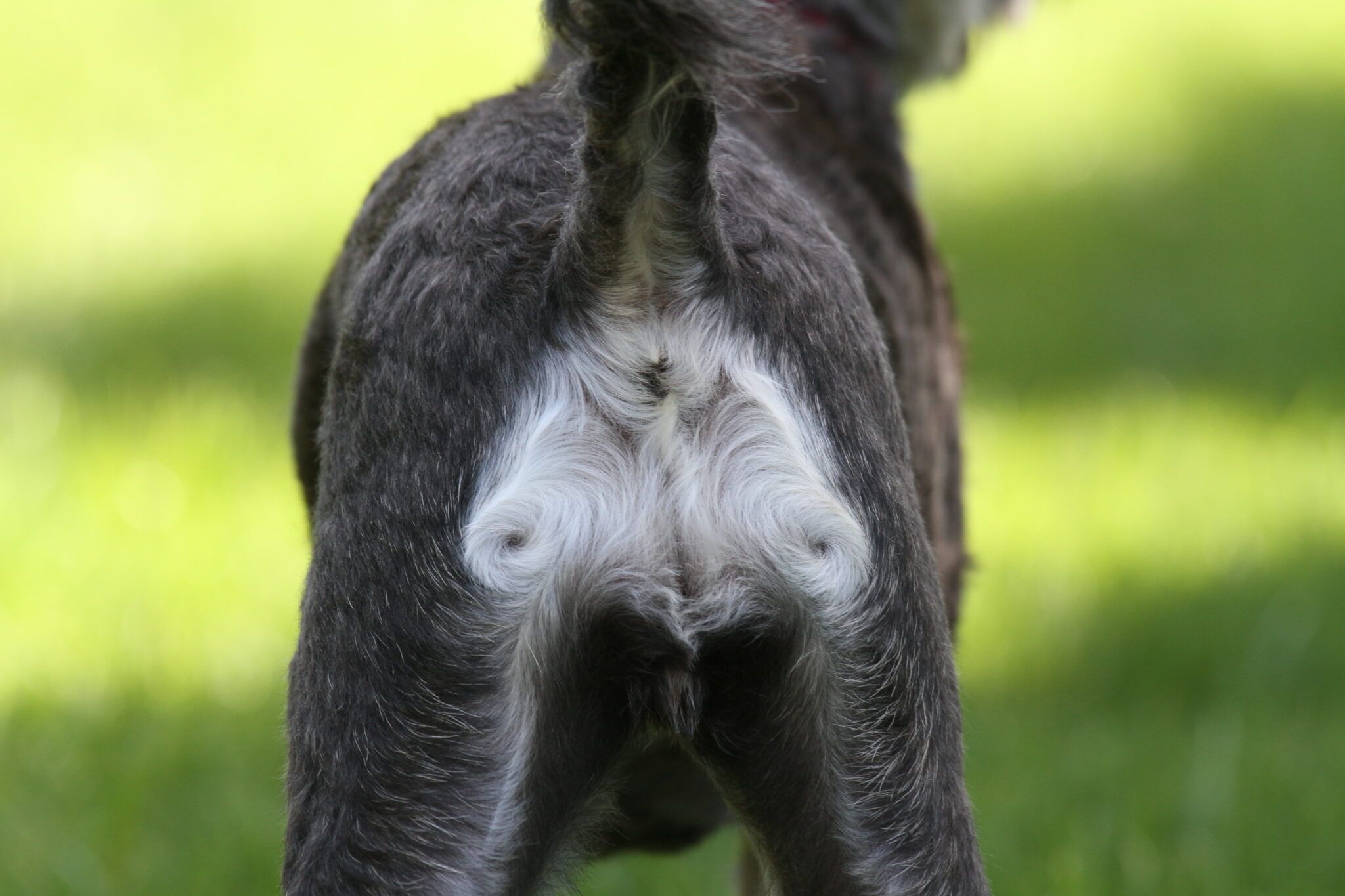
Rectal bleeding in dogs, called hematochezia, ranges from minor to serious depending on severity and accompanying symptoms. Mild, intermittent bleeding often stems from benign causes like intestinal parasites or impacted anal glands. Both conditions respond well to treatment once diagnosed by a veterinarian.
Owners should watch for bleeding patterns. Occasional spots of blood differ sharply from continuous or heavy bleeding, which signals a need for immediate veterinary attention. Severe hemorrhage can indicate serious underlying problems including clotting disorders, inflammatory bowel disease, tumors, or trauma to the rectum.
Intestinal worms rank among the most common culprits behind mild rectal bleeding. Parasites like hookworms damage the intestinal lining and cause blood loss. Regular deworming prevents infestations in most dogs.
Anal gland impaction occurs when the two small glands near a dog's rectum fail to empty naturally. Pressure builds and irritates tissue, sometimes causing bleeding or discharge. Veterinarians can express impacted glands manually. Chronic impaction may require gland removal surgery.
Other possible causes include dietary sensitivities, bacterial or viral infections, polyps, hemorrhoids, or colitis. Stress and sudden diet changes can trigger inflammation that leads to bleeding.
Your dog needs veterinary evaluation if bleeding persists beyond one or two episodes, increases in volume, or appears alongside vomiting, diarrhea, lethargy, or loss of appetite. Bring a fresh stool sample to the appointment so your vet can test for parasites.
Treatment depends on the underlying cause. Deworming medication handles parasitic infections. Anal gland expression or surgery addresses impaction issues. Anti-inflammatory medications or dietary changes help with colitis or food sensitivities. Serious conditions like clotting disorders or cancer require specialized