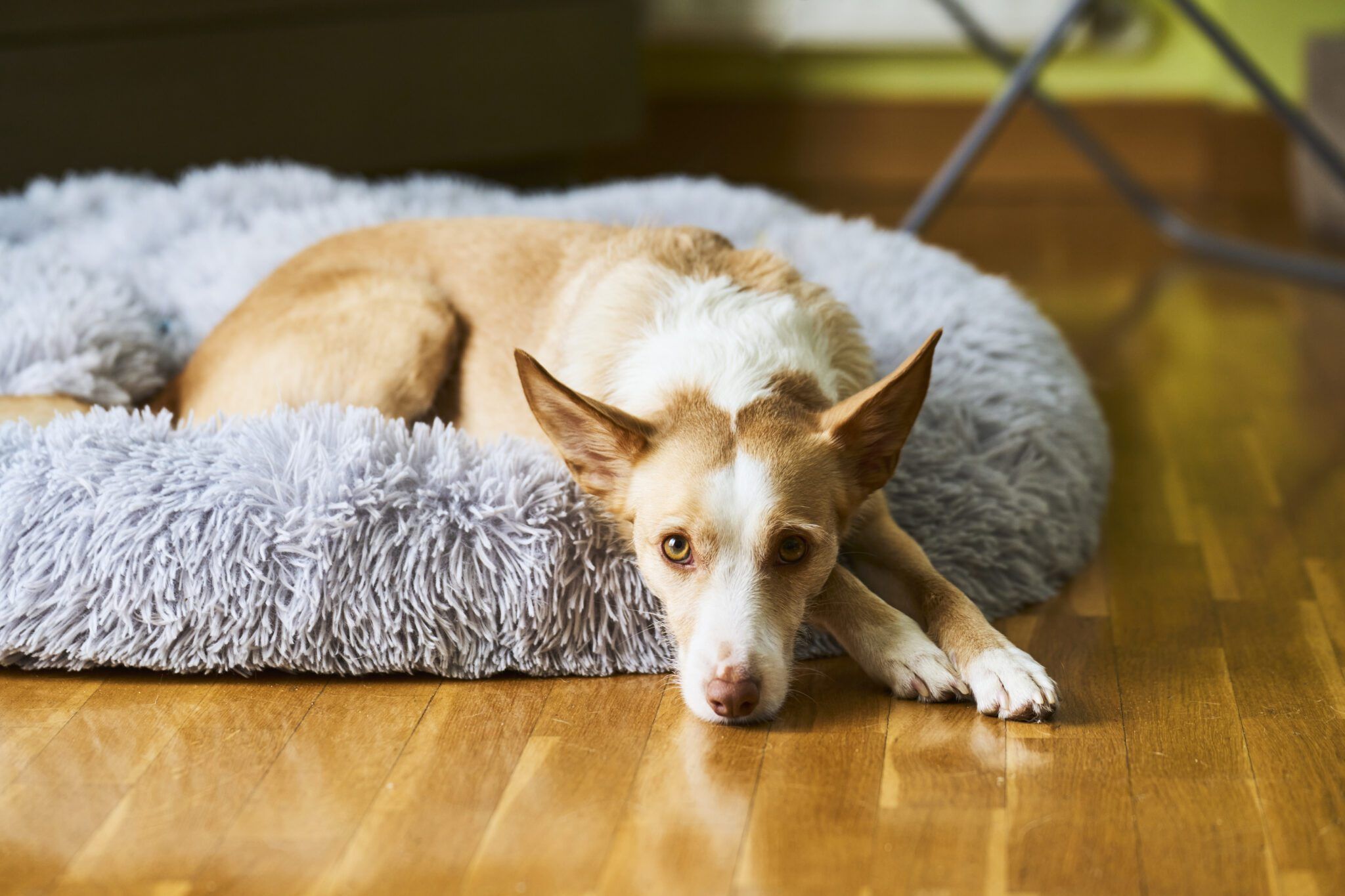
Rescue dogs entering a new home face significant stress that owners often underestimate. The unfamiliar environment, sounds, people, and daily routines overwhelm dogs who don't yet understand they're safe and no longer facing uncertainty.
Dogs process their surroundings through sensory experience alone. A rescue dog cannot rationalize that adoption means permanence or that chaos will settle into routine. They react to novelty with anxiety, defensive behavior, or withdrawal. This adjustment period tests both dog and owner.
Successful transitions require patience and structure. Experts recommend establishing a quiet space where the dog can retreat, limiting initial social exposure, and maintaining a consistent schedule for feeding, walks, and bedtime. These predictable patterns help rescue dogs understand their new environment operates reliably.
Slow introductions matter more than rushing bonding. Many rescue dogs need days or weeks before they show their true personality. Some hide for the first few days. Others display unexpected behaviors stemming from past trauma. Neither response means the adoption will fail.
Exercise and mental stimulation ease anxiety but shouldn't overwhelm a newly arrived dog. Short, calm walks help them decompress and explore at their own pace. High-energy play comes later, once confidence builds.
Building trust happens through consistency, not intensity. Brief, positive interactions with family members work better than extended cuddle sessions. Let the dog approach you rather than pursuing them.
Rescue dogs often reward patience with unexpected devotion. They seem to understand they've been given a second chance. That gratitude emerges once the initial stress subsides and they realize they belong.
Working with a veterinarian or certified animal behaviorist helps if adjustment problems persist beyond the first month. Professional guidance addresses behavioral issues early, preventing patterns that harden over time.
The transition period represents an investment in your dog's long-term wellbeing. Dogs who adjust successfully become confident, trusting companions.