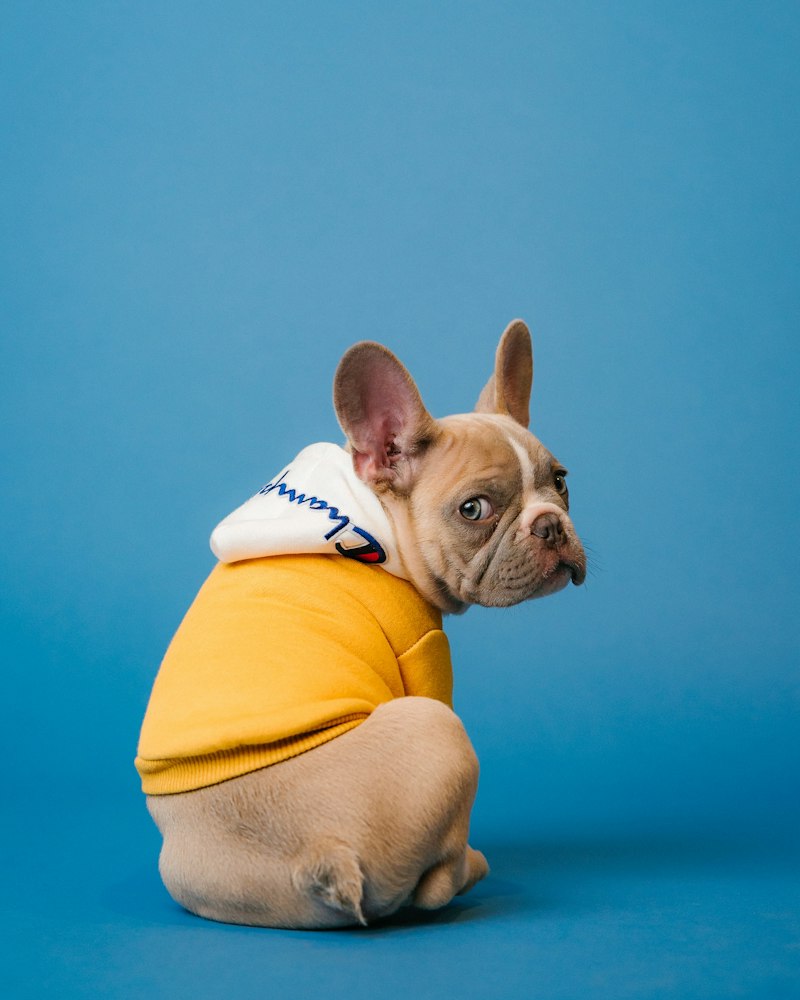
Walk into any pet store, scroll through any dog-focused social media feed, or read any "new puppy preparation" guide, and you'll encounter the same message: responsible dog ownership requires an ever-expanding arsenal of specialized products. A checklist of 22 must-haves. Breed-specific food formulations. Sensitivity-tailored nutrition plans. Gadgets designed to address every conceivable canine behavior, from licking to anxiety to boredom.
This trend is being sold as inevitable. It deserves more skepticism than it is getting.
The narrative goes like this: modern dogs have modern needs. They have sensitive stomachs that require premium, specialized food. They have anxiety that demands particular toys or supplements. They need specific items to be happy and healthy. The implication is clear: generic care is negligence, and comprehensive product consumption is love.
But let's examine what's actually happening here. We're witnessing a marketing expansion dressed up as pet science. The dog care industry has learned a powerful lesson from human wellness markets: you can create perceived problems faster than you can solve actual ones. Every quirk becomes a syndrome. Every difference becomes a deficiency.
Consider the explosion of sensitive-stomach dog foods. Some dogs genuinely have digestive issues. That's real. But the market has expanded far beyond those cases. Pet food companies now position their specialized formulas as preventive care, suggesting that dogs without any symptoms should eat premium, targeted diets to avoid future problems. The industry benefits enormously when every dog owner views their pet as a potential problem waiting to happen.
The same logic applies to behavioral products. A dog licks your feet? That's normal canine communication that humans have managed to interpret for thousands of years. Now it's a behavior requiring understanding, intervention, and often, products designed to redirect it. Not because the behavior is harmful, but because it's been reframed as something unusual enough to warrant solutions.
There's also a class dimension here worth acknowledging. The 22-item puppy checklist isn't truly essential for most dogs. It's aspirational. It's designed to make new dog owners feel like they're inadequate if they don't purchase extensively. It creates anxiety among people who want to do right by their pets, making them vulnerable to marketing that equates spending with caring.
This doesn't mean all specialized products are unnecessary. Some dogs do have real health conditions. Some people benefit from having additional tools to manage behavior or enrichment. The problem isn't specialized products; it's the systematic cultivation of unnecessary demand disguised as responsible ownership.
We should be more skeptical of the assumption that more products equal better care. We should question marketing that reframes normal canine behavior as problems requiring solutions. We should resist the implication that dog ownership demands constant consumption.
The uncomfortable truth is that dogs thrived for millennia with far fewer things. Many dogs today live full, healthy, happy lives without premium sensitive-stomach formulas, without elaborate toy collections, without specialized behavioral products. That doesn't make those products bad. It just makes the cultural message around their necessity suspect.
Good dog ownership is fundamentally about attention, exercise, basic nutrition, veterinary care, and genuine affection. These things don't require a shopping list of 22 items. They require time and presence.
The pet industry will continue selling us the idea that responsible ownership means comprehensive consumption. Our job as dog owners is to distinguish between what our dogs actually need and what we've been convinced they need. That's not deprivation. That's clarity.