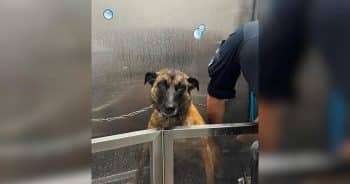
# K-9's Late-Night Potty Break Ends in Run-In With a Very Smelly Suspect
A dog's routine bathroom break turned into an unexpected wildlife encounter when a skunk crossed paths with the pet during a nighttime outing. The incident highlights a common risk pet owners face, especially during evening and early morning hours when skunks become most active.
Skunks emerge primarily at dawn and dusk to forage for food. When dogs venture outside during these times, encounters become more likely. Unlike some wildlife, skunks don't immediately spray. They first stomp their hind feet and raise their tail as warning signs. Many dogs misinterpret these signals and approach the animal, triggering the skunk's defensive spray.
If your dog gets sprayed, act quickly. Keep your pet outside to prevent odor from spreading through your home. Don't bathe your dog with tomato juice, a common myth that doesn't work. Instead, veterinarians recommend a mixture of one quart of 3 percent hydrogen peroxide, one-quarter cup baking soda, and one teaspoon dish soap. Apply this solution to your dog's coat, avoiding the eyes and mouth. Let it sit for five minutes, then rinse thoroughly with water.
The spray itself poses minimal danger, though it causes discomfort and temporary irritation to eyes and nose. Some dogs experience mild gastrointestinal upset if they ingest skunk musk. Watch for excessive drooling, vomiting, or difficulty breathing, which warrant immediate veterinary attention.
Pet owners should supervise outdoor time at dusk and dawn, especially in areas with skunk populations. Keep your yard free of food sources like pet kibble, fallen fruit, and accessible garbage bins. Skunks hunt these areas for grubs and insects, making yards attractive foraging grounds.
If