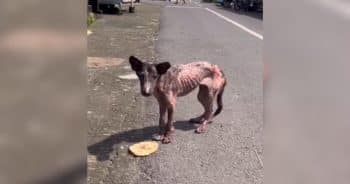
A dog struck by a car and abandoned on the roadside has recovered fully and found a permanent home, offering hope to animal rescue advocates who work with hit-and-run victims.
The dog was discovered after being left for dead following the vehicle collision. Responders brought him to an emergency veterinary clinic where staff performed immediate trauma assessments and stabilization. The injury severity warranted extended treatment, including pain management, imaging studies, and monitoring for internal complications common in vehicular trauma cases.
The dog's medical team worked through each recovery phase methodically. As he stabilized, physical rehabilitation began to restore mobility and rebuild strength. The staff documented his progress closely, tracking improvements in movement, appetite, and behavior as indicators of healing.
During his hospital stay, rescue volunteers became emotionally invested in his recovery. Their advocacy helped generate public awareness of his case, which ultimately led to adoption interest. Once cleared for discharge by veterinarians, he transitioned into foster care while completing his rehabilitation at home.
A permanent adopter came forward and committed to providing ongoing care. The new owner understood the dog's medical history and adjusted expectations accordingly during the transition period. Follow-up veterinary visits confirmed he suffered no lasting complications from the accident.
The story underscores both the resilience dogs demonstrate after trauma and the critical role emergency veterinary medicine plays in survival outcomes. Veterinarians specializing in trauma cases regularly handle hit-and-run patients whose conditions appear terminal but respond to aggressive, timely intervention. Support from animal rescue networks also proves essential, connecting injured animals with medical care, rehabilitation services, foster networks, and eventually adoptive families.
This dog's journey from abandonment to full recovery demonstrates what happens when emergency responders, veterinary professionals, rescue organizations, and compassionate adopters work together. His case encourages the public to report hit-and-run incidents immediately and to support veterinary emergency services that save animals in critical