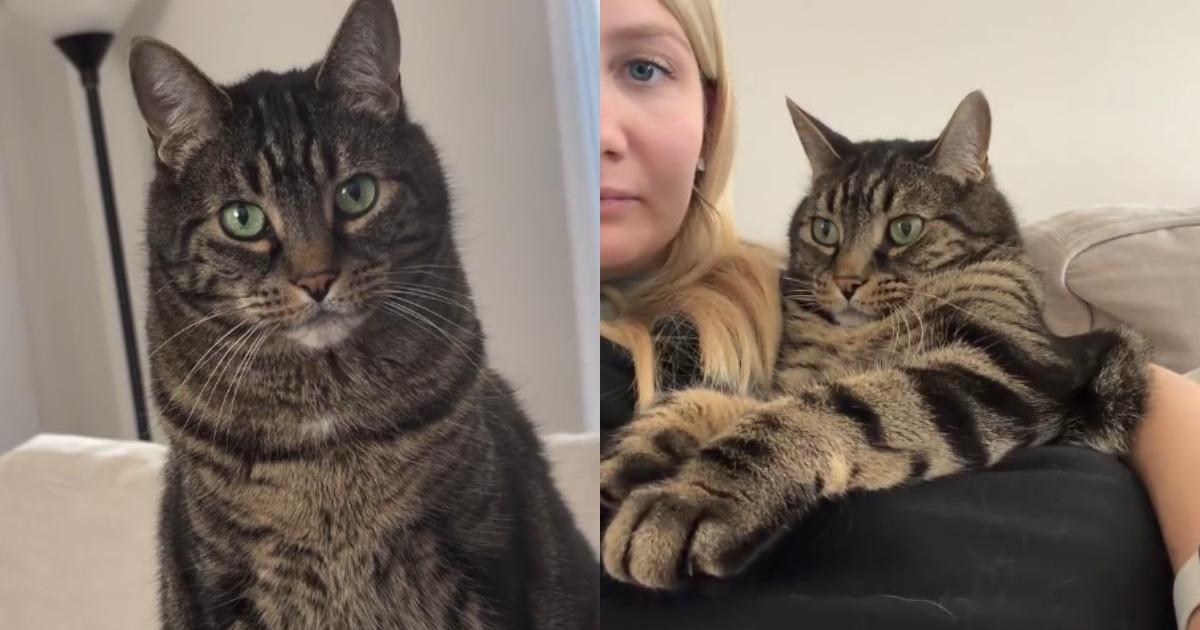
A cat's sudden enthusiasm for a sling carrier reveals a classic feline behavior. jealousy.
The video captures a cat owner testing out a sling carrier with her two cats. When she first placed Milo in the carrier, he showed little interest and resisted being carried. The moment she switched to carrying his companion in the same sling, Milo's attitude shifted dramatically. He became intensely interested in the carrier once he realized his housemate was receiving attention and a novel experience.
This behavior demonstrates how cats respond to perceived inequity in their household. Cats are territorial animals who monitor their environment closely and notice when resources or attention flow to other pets. When one cat receives something novel or engaging, others often want it too. This isn't necessarily jealousy in the human sense, but rather a competitive drive to ensure they don't miss out on anything potentially rewarding or stimulating.
Sling carriers offer practical benefits for cat owners who need to transport their pets while keeping their hands free. They position the cat against the owner's body, which many cats find calming since it mimics the security of being held. However, individual cats vary widely in their comfort levels with carriers of any kind.
The owner's experience here actually worked in her favor. By introducing the carrier to both cats and allowing them to observe each other's reactions, she created natural interest in the product. Sometimes the best way to encourage a reluctant pet to try something new is to demonstrate it with another animal first.
For cat owners considering a sling carrier, start slowly and use positive reinforcement. Let your cat explore it at their own pace. Pair the carrier with treats or playtime to build positive associations. Some cats take to slings quickly while others need more time. Individual temperament, prior experience with carriers, and your cat's age all affect acceptance. The takeaway here. sometimes a little gentle competition between household cats