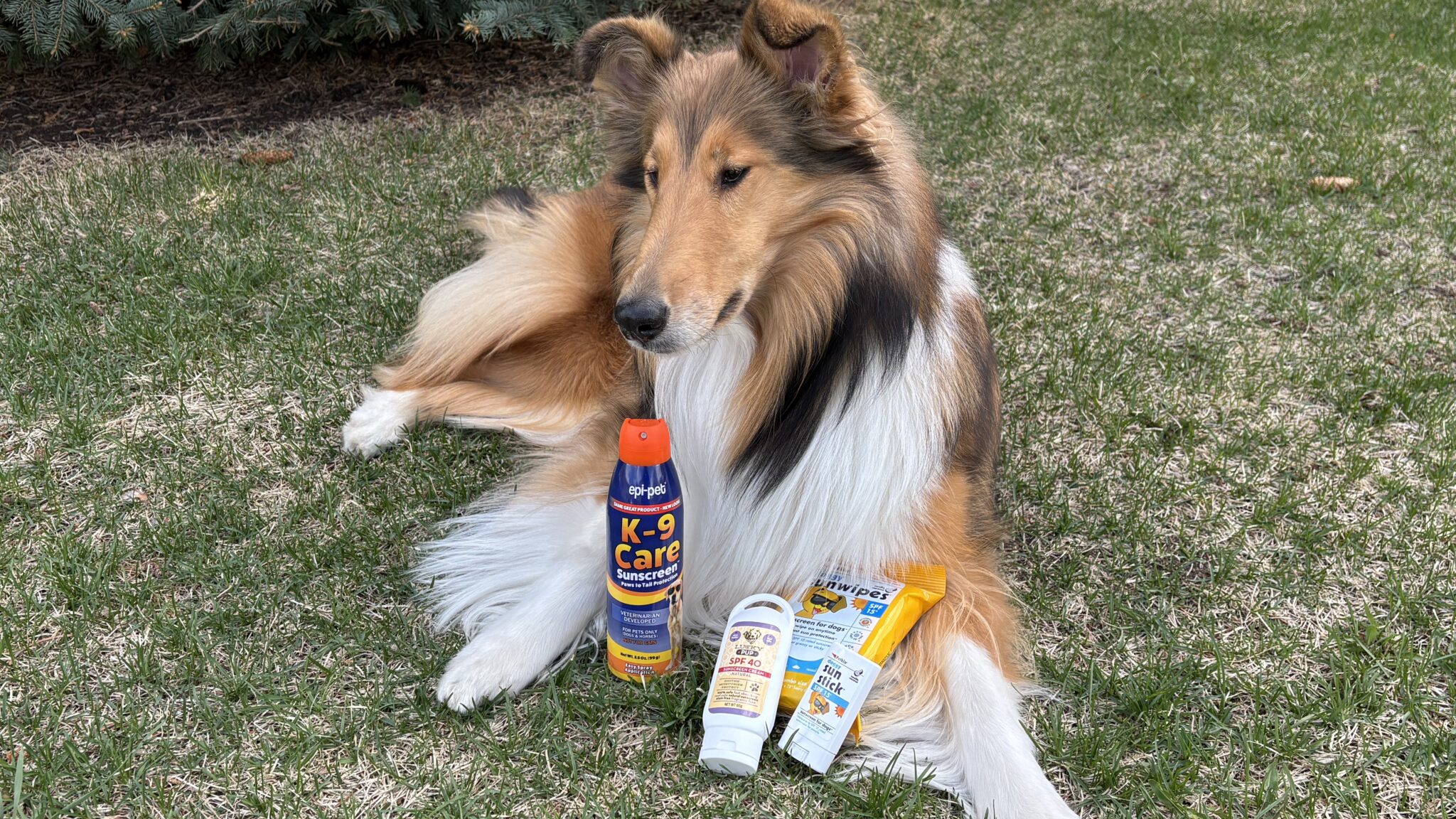
Dogs with light-colored fur, thin coats, or those spending extended time in the sun face real risk of sunburn and skin damage. Dog sunscreen protects against UV rays just as human sunscreen does, preventing painful burns and reducing long-term skin cancer risk in canines.
Choosing the right sunscreen matters because dogs often lick their skin, making safety a priority. Pet owners should avoid human sunscreens containing zinc oxide or para-aminobenzoic acid, both toxic to dogs if ingested. Dog-specific formulas eliminate this risk while providing reliable UV protection.
Whole Dog Journal reviewed several canine sunscreen options to help owners make informed choices. The best products for dogs offer broad-spectrum UVA and UVB protection with SPF ratings comparable to human sunscreens. Look for waterproof formulas if your dog swims or plays in water, since protection washes away quickly.
Application matters as much as product selection. Pet owners should apply sunscreen to exposed areas: the nose, ear tips, belly, paws, and any spots with thin fur or pink skin. Reapply every two hours or immediately after swimming. For dogs that resist lotion, some sunscreen sprays or stick formulas offer easier application.
Dogs at highest risk include those with white coats, pink noses, and short or hairless breeds like Pit Bulls, Boxers, and Whippets. Older dogs and those with a history of skin problems need extra protection. Even darker-coated dogs can burn on their noses and ear leather, particularly breeds with thin hair coverage in those areas.
Sunscreen works best combined with other protective measures. Limit outdoor time during peak sun hours between 10am and 4pm. Provide shaded areas in your yard. Consider UV-protective dog clothing or rashguards for extended outdoor activities. Dogs