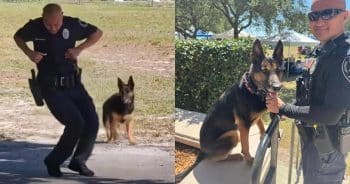
A Florida police dog and her handler have captured attention with an impressive dance routine that showcases both their bond and the dog's training abilities.
The K-9 and officer performed synchronized movements that demonstrate the deep trust and communication between working dogs and their handlers. Police K-9s undergo extensive training to respond to precise commands, and this routine illustrates how that training extends beyond detection and apprehension work into coordinated physical movements.
Working dogs in law enforcement roles typically spend months or even years developing their skills. They learn to track suspects, detect narcotics or explosives, and respond instantly to handler direction. The dancing routine, while entertaining, reflects the same obedience and attunement that makes these dogs effective in the field.
The video gained traction on social media, with many viewers impressed by the dog's coordination and willingness to participate in the routine. It offers the public a lighter glimpse into K-9 programs that are usually focused on serious law enforcement duties.
Police departments across the country use German Shepherds, Belgian Malinois, and other working breeds as K-9 officers. These dogs serve critical roles in protecting communities and officers. The relationship between handler and dog becomes central to their effectiveness. When a handler invests time in building that relationship through various training exercises, both formal and informal, the dog becomes more responsive and confident in all situations.
This Florida K-9's dance performance serves as a reminder that working dogs are not just tools. They are living animals with personalities, intelligence, and the capacity to bond deeply with the humans they work alongside. The routine also highlights how positive reinforcement and engagement keep working dogs mentally stimulated and happy throughout their careers.
For pet owners watching similar content, it underscores how much dogs thrive when given clear structure, training, and daily interaction with their humans. While most dogs won't become dance partners with their owners, this performance demonstrates the