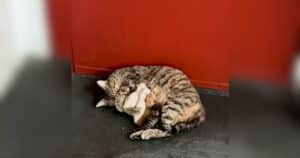
A woman with no cats at home discovered the joys of feline companionship after helping a pregnant stray cat. What started as a rescue effort transformed into a household of seven cats.
The woman found the stray mother cat and provided shelter during pregnancy and birth. Rather than separate from the kittens after they were born, she decided to keep the entire family. The mother cat and her litter now live permanently in the woman's home.
This story reflects a common pattern in cat rescue. People who initially help a pregnant or nursing stray often become attached to both the mother and her offspring. The bonding that occurs during the vulnerable period of kitten care frequently leads rescuers to adopt rather than rehome the cats.
Managing seven cats requires commitment. Daily responsibilities include feeding multiple cats, cleaning litter boxes, providing veterinary care, and ensuring adequate space for each animal. Cats living in larger groups need multiple feeding stations, water bowls, and litter boxes to reduce stress and territorial conflicts.
The woman's home now provides safety, nutrition, and medical care for animals who might otherwise face outdoor dangers. Stray cats face risks from traffic, predators, disease, and harsh weather. Indoor living extends life expectancy significantly.
This adoption also prevents additional strain on animal shelters and rescue organizations. Shelters across the country operate at capacity, and every cat placed in a home creates space for another animal in need.
For people considering helping a stray cat, spaying or neutering remains the most effective way to prevent overpopulation. One unspayed cat and her offspring can produce thousands of kittens within a few years. Supporting local trap-neuter-return programs and shelters helps address stray populations humanely.
The woman's decision to keep all seven cats demonstrates how one act of compassion can transform both human and animal lives.