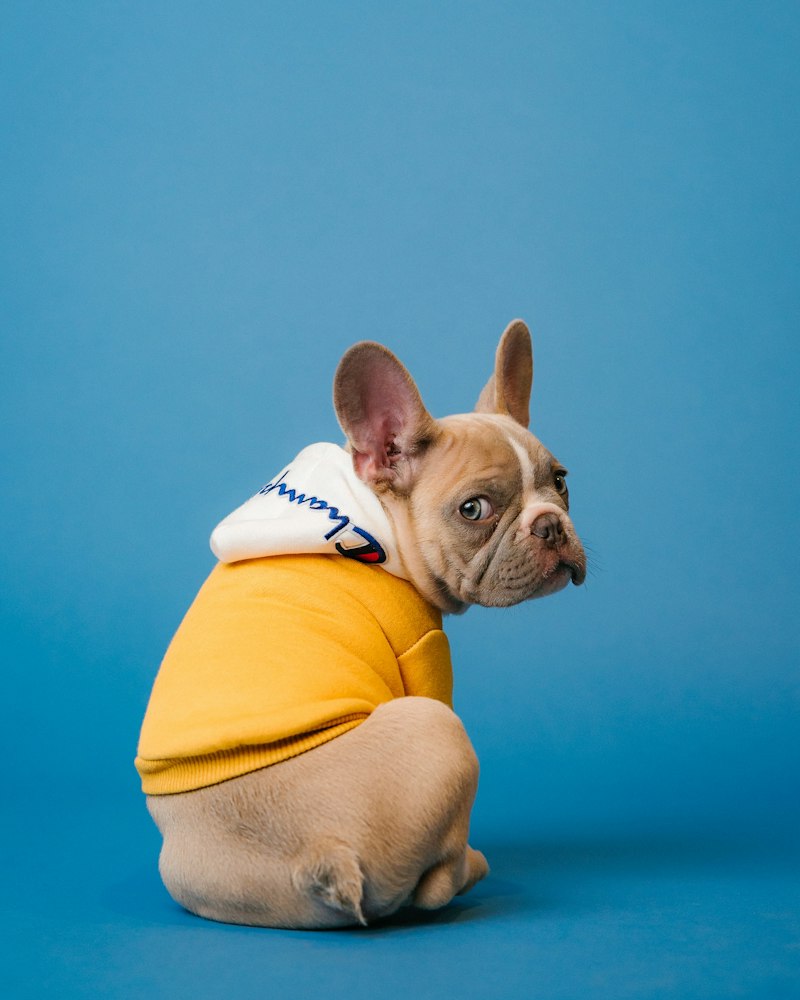
I've been watching the pet industry celebrate viral moments for years now. Cats swatting their humans. Dogs making unexpected animal friendships. Weekly photo contests. These stories get millions of views, endless shares, and fuel the engagement engines that drive revenue for publishers and brands alike.
But here's what bothers me: while the industry collectively obsesses over what's entertaining and shareable, it's systematically underinvesting in the content that actually matters to people trying to care for their pets responsibly.
The math is straightforward. A video of a wild elk playing with tiny dogs generates exponential engagement. A detailed guide on home acclimation plans for newly adopted dogs gets a fraction of the traffic. So guess which one gets the bigger marketing push, the better design, the featured placement?
This isn't inherently malicious. It's rational economics. Publishers chase clicks. Brands chase brand awareness. The algorithm rewards novelty and emotional reaction. But the cumulative effect is that pet owners are swimming in content about what's cute, unexpected, or humorous while starving for practical guidance on the fundamentals of pet ownership.
I'm not arguing that entertainment has no place in pet media. Of course it does. But the incentive structure has become so skewed toward viral potential that we're seeing a dangerous hollowing out of the middle. The working pet owner - someone juggling a job, a family, and the genuine responsibility of caring for an animal - is increasingly underserved by an industry that knows exactly how to reach them but chooses not to.
Consider the signals the industry sends. A publication runs a weekly photo contest and celebrates the winners. That's fun. It builds community. But that same publication might have a single under-resourced article about stress-free home transitions for rescue dogs, buried in search results because it doesn't optimize for shareability. Which resource do you think the newly adoptive parent needs more?
The problem compounds when brands notice this pattern. They follow the money. Marketing budgets flow toward influencers who create entertaining content, not toward educational partnerships. Pet brands sponsor viral challenges instead of funding comprehensive guides to nutrition or behavioral issues. Why? Because the industry has collectively decided that engagement metrics are the truest measure of value.
This creates a perverse incentive structure. It rewards companies for optimizing entertainment value rather than usefulness. It punishes the unglamorous work of creating substantive, practical content that helps people be better pet owners. And most importantly, it leaves a gap precisely where it matters most: in serving the vast majority of pet owners who aren't looking for distraction but for genuine help.
The people who benefit most from this system are easy to identify. They're the content creators who excel at capturing absurd or adorable moments. They're the publishers with algorithmic advantage. They're the brands that ride viral waves to awareness they couldn't buy with traditional marketing. And they're all operating within a system that makes perfect sense for them individually, even as it fails the broader pet owning public.
I'm not naive about disrupting economic incentives. Viral content pays the bills for digital media in ways that how-to guides simply don't. But I do think the industry should be honest about what's happening. The pet media landscape isn't neutral. It's actively shaped by financial pressures that prioritize entertainment over education, novelty over utility, moments over guidance.
Pet owners deserve to know whose interests the industry is actually serving. It's worth noticing who benefits most from a system that celebrates what makes pets entertaining while marginalizing what makes them healthier, happier, and better integrated into their homes.