# Best Dehydrated Cat Foods in 2026
Dehydrated cat foods gain traction among pet owners seeking alternatives to traditional wet and dry kibble. These products remove moisture while preserving nutrients, creating shelf-stable meals that rehydrate with water.
Dehydrated formulas appeal to cat owners for several reasons. The removal of water concentrates protein and nutrients, meaning cats consume less volume per meal. Storage takes minimal space compared to canned food. Many owners report their cats find the texture and smell more appealing than standard kibble.
The market offers diverse dehydrated options in 2026. Brands range from raw-inspired freeze-dried formulas to gently dehydrated cooked meals. Protein sources vary widely, including chicken, turkey, beef, fish, and novel proteins like rabbit or venison for cats with sensitivities.
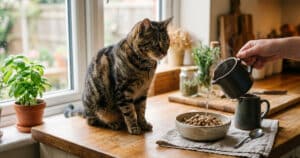
Preparation differs from kibble and canned food. Owners add warm water to rehydrate the formula, typically waiting five to ten minutes before serving. This process mirrors how cats would naturally consume prey in the wild, as the added moisture increases food's water content closer to fresh meat levels.
Cat owners considering dehydrated foods should consult their veterinarian first. Cats with certain health conditions, kidney disease, or specific dietary needs require professional guidance. Veterinarians can recommend formulas that meet individual nutritional requirements and ensure balanced diets.
Dehydrated foods cost more per serving than traditional kibble but less than premium wet food. Quality varies across brands, so reading ingredient lists and AAFCO certifications matters. Look for named meat sources at the top of ingredient lists rather than vague terms like "animal by-products."
For cats accustomed to standard food, transitions take time. Mixing small amounts of rehydrated formula with current food helps prevent digestive upset. Gradual increases over seven to