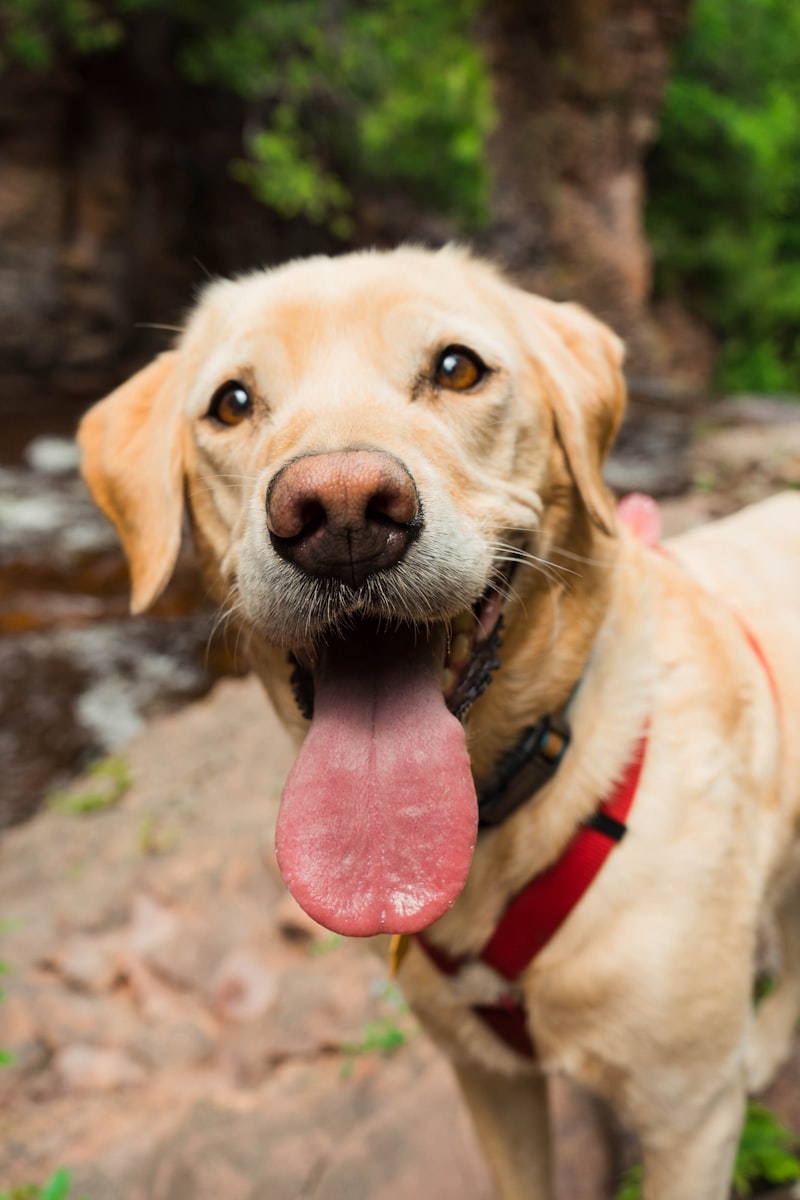
Every week, we see another heartwarming story: the elk playing gently with tiny dogs, the rescue dog's triumphant homecoming, the pet photo contest celebrating joy and companionship. These moments are genuine, and they matter. But I want to ask a harder question: who profits when we celebrate the feel-good narrative while ignoring the systemic issues underneath?
The pet industry has mastered the art of distraction through wholesomeness. Viral moments of animal friendships and successful rescues dominate our feeds, generating clicks, shares, and engagement. Meanwhile, the actual business incentives that shape pet welfare operate in the background, largely unexamined.
Consider what gets rewarded in this ecosystem. Breeders who produce popular breeds see demand skyrocket after a trending photo goes viral. Rescue organizations that post the most emotionally compelling transformations attract the most donations, regardless of their operational practices. Pet product companies that attach their brands to heartwarming content gain consumer loyalty. The formula works beautifully for engagement metrics.
But what about the incentives that don't make for good content? There's no viral moment in a breeder responsibly limiting litter sizes to protect breeding stock health. There's no trending hashtag for the rescue organization quietly implementing rigorous behavioral assessments. There's no Instagram-friendly story in a pet product company investing in durability and sustainability instead of novelty.
The concerning trends we should be watching operate outside the warm glow of feel-good content. Reports about emerging exotic pet trades suggest some people are attracted to unusual animals for the wrong reasons, often driven by what's trendy rather than what's responsible. Home acclimation guides and proper transition planning for dogs matter enormously, yet these crucial topics rarely generate the engagement that a perfect adoption photo does.
Here's what troubles me most: the industry structure increasingly rewards visibility over substance. A company can build enormous goodwill by sponsoring heartwarming content while making questionable decisions behind closed doors. Breeders can gain credibility through a single viral moment. Retailers can soften their image through emotional marketing while their supply chains remain opaque.
This isn't to say that joy and connection in the pet world aren't real or valuable. They absolutely are. The problem is that focusing exclusively on these moments creates a distorted picture of what the industry actually incentivizes and who benefits from current practices.
We should ask ourselves: Are we celebrating the right actors in this space? The breeders generating feel-good content might not be the ones investing most in genetic diversity and health testing. The rescues with the most compelling before-and-after stories might not be the ones with the most rigorous standards. The pet companies winning our hearts might not be the ones making the most responsible choices.
The pet industry benefits enormously when we stay focused on the feel-good narratives. Emotional engagement drives consumer behavior, and consumers drive profit. As long as we're moved by stories of reunion and friendship, we're less likely to ask harder questions about breeding practices, supply chain ethics, or long-term animal welfare priorities.
This doesn't mean we should stop celebrating genuine moments of joy and connection. We should simply pair that celebration with skepticism about who benefits from our attention and affection. Pay attention to which stories get amplified, and consider what's absent from the conversation.
The most important reforms in pet welfare won't look heartwarming in a social media post. They'll look like policy changes, transparency requirements, and incentive structures that reward responsibility over virality. Those deserve our attention too.