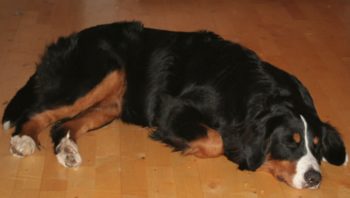
Bernese Mountain Dogs scratch for many reasons, and owners can take eight concrete steps to stop excessive itching in this large breed.
Bernese Mountain Dogs have thick double coats that trap heat and moisture, making them prone to skin irritation. Excessive scratching signals allergies, parasites, dry skin, or ear infections. Addressing the root cause stops the behavior before it damages their coat and skin.
Regular bathing with veterinary-approved shampoo removes allergens and debris from the dog's fur. Owners should bathe Bernese Mountain Dogs every four to six weeks using lukewarm water and products formulated for sensitive skin. Pat the coat dry thoroughly, as dampness encourages fungal growth.
Brushing daily reduces matting that traps moisture and irritates skin. A slicker brush and undercoat rake work well for this breed's dense coat. Frequent brushing also distributes natural oils that protect the skin barrier.
Omega-3 fatty acid supplements strengthen skin health from within. Fish oil or salmon oil added to food reduces inflammation and itching. A veterinarian can recommend appropriate dosages based on the dog's weight.
Flea and tick prevention prevents parasitic scratching. Monthly topical treatments or oral medications like NexGard or Simparica keep parasites away. Year-round prevention works better than seasonal approaches.
Food allergies often trigger scratching in Bernese Mountain Dogs. Common culprits include chicken, beef, wheat, and corn. An elimination diet under veterinary guidance identifies problem ingredients, and switching to limited-ingredient kibble may help.
Environmental allergens like pollen and dust cause itching too. Wiping paws after outdoor time removes allergens. Air purifiers inside the home reduce airborne irritants.
Ear cleaning prevents yeast infections that cause scratching. Weekly ear checks with a cotton