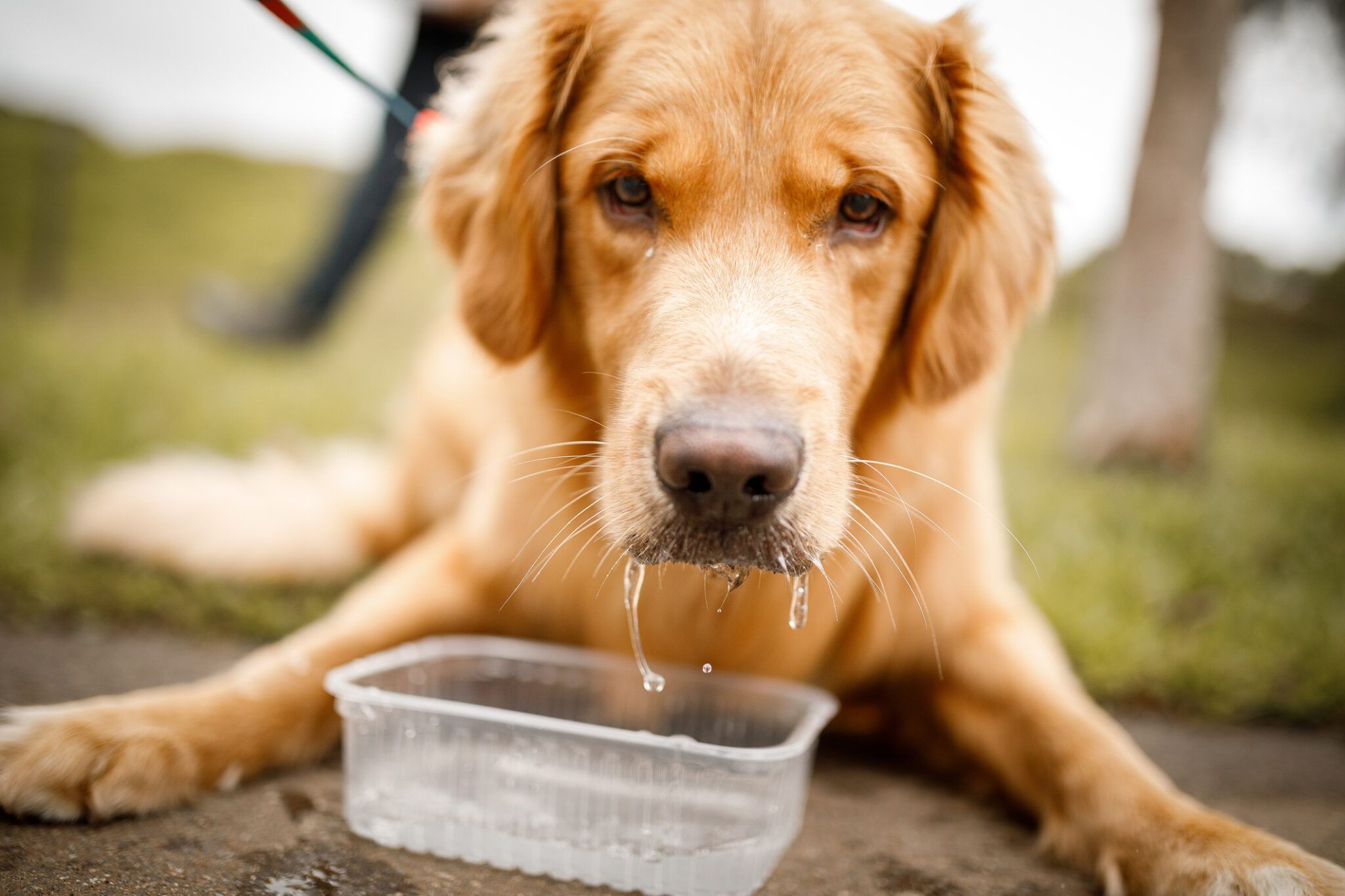
Laryngeal paralysis in dogs occurs when the muscles controlling the larynx (voice box) fail to function properly, preventing the airway from opening and closing as intended. This condition affects the cartilage-lined structure in the back of a dog's throat that normally closes during swallowing to keep food and fluids out of the trachea.
The larynx plays a critical role in protecting the airway. When paralysis develops, affected dogs struggle to breathe, swallow, and vocalize normally. Symptoms include stridor (noisy breathing), a changed bark or whimper, coughing, gagging, and difficulty swallowing. Some dogs show exercise intolerance or collapse during physical activity. The condition ranges from mild to life-threatening depending on severity.
Laryngeal paralysis stems from nerve dysfunction affecting the muscles that control the vocal folds. Older large-breed dogs face higher risk, though the condition can develop in any age or breed. Certain breeds like Labradors, golden retrievers, and German shepherds experience higher prevalence. Some cases are idiopathic, meaning the cause remains unknown, while others connect to nerve damage, cancer, or systemic disease.
Veterinarians diagnose laryngeal paralysis through physical examination and laryngoscopy, where a scope allows direct visualization of the paralyzed folds. Treatment depends on severity. Mild cases may require monitoring and activity restriction. Severe cases typically need surgery, with arytenoid lateralization being the most common procedure. This operation permanently opens one side of the airway, improving breathing but sometimes affecting a dog's ability to bark normally.
Post-operative care matters significantly. Dogs recovering from laryngeal paralysis surgery need restricted activity during healing and careful monitoring for complications like aspiration pneumonia, which occurs when food or saliva enters the lungs instead of the