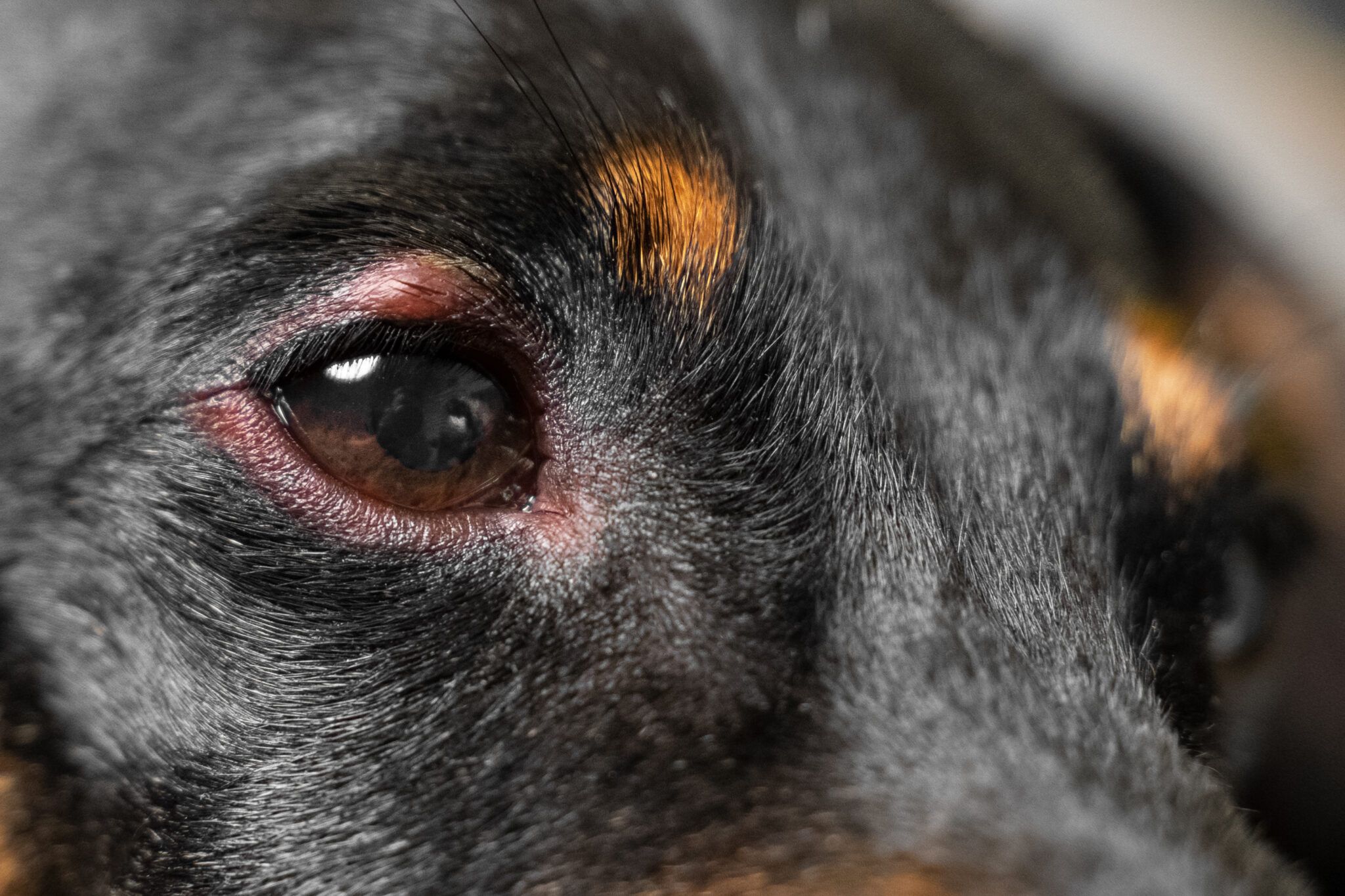
A stye appears as a painful red bump on your dog's eyelid, caused by infection in an oil gland or hair follicle. Dogs develop styes the same way humans do, and the condition often causes discomfort and swelling around the eye.
Most dog styes resolve with basic home care, though your veterinarian can determine whether your dog needs treatment. Signs of infection include increased redness, discharge, or swelling that worsens over several days. If your dog's eye closes completely or vision appears affected, contact your vet immediately, as this could signal a more serious problem.
At home, warm compresses help reduce pain and encourage drainage. Apply a clean, warm (not hot) cloth to the affected eyelid for five to ten minutes, several times daily. This soothing approach increases blood flow and may help the stye drain naturally. Some dogs tolerate this better than others, so patience helps.
Keep the area clean and prevent your dog from rubbing or scratching the eye. A cone or e-collar protects the area while it heals and prevents secondary infection from bacteria on your dog's paw pads. Avoid touching the stye with dirty fingers, which introduces more bacteria.
Most uncomplicated styes heal within one to two weeks with basic care. However, certain situations warrant veterinary attention. If the stye doesn't improve after a week, grows larger, or causes excessive discharge, your vet may prescribe antibiotic eye drops or ointment. Dogs with recurrent styes might benefit from eyelid hygiene practices or treatment for underlying conditions like allergies or skin infections.
Never squeeze or attempt to drain a stye yourself, as this risks spreading infection deeper into the eyelid tissues. Let it drain naturally with warm compresses and time.
Your veterinarian remains your best resource for determining whether your individual dog's