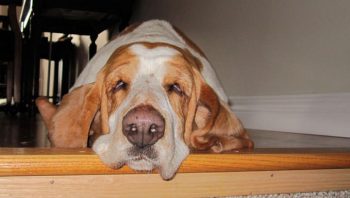
Basset hounds scratch more than many other dog breeds, and their long ears and skin folds create perfect environments for irritation and infection. Excessive scratching signals an underlying problem that owners should address promptly.
The most common cause of scratching in basset hounds is allergies. Food allergies, environmental allergies, and contact allergies all trigger itching in this breed. Owners should work with a veterinarian to identify which allergen bothers their dog through elimination diets or allergy testing.
Ear infections plague basset hounds because their long, droopy ears trap moisture and prevent airflow. Regular ear cleaning with a veterinarian-recommended solution prevents yeast and bacterial buildup. Check ears weekly and clean them gently with cotton balls or soft cloths.
Skin infections thrive in the skin folds characteristic of basset hounds. Keeping these areas dry and clean reduces fungal and bacterial growth. Bathe your basset hound monthly with a gentle, hypoallergenic dog shampoo formulated for sensitive skin.
Fleas and mites cause relentless itching even in small numbers. Use a flea and tick preventative prescribed by your veterinarian. Products like Simparica, NexGard, and Bravecto provide reliable year-round protection.
Dry skin contributes to scratching. Add omega-3 fatty acids through fish oil supplements or dog foods rich in these nutrients. Consult your veterinarian about appropriate dosages for your basset hound's weight.
Regular grooming removes dead hair and improves circulation to the skin. Brush your basset hound several times weekly with a slicker brush or undercoat rake.
Finally, rule out parasites and infections before assuming allergies. A veterinary dermatologist can perform skin scrapings or fungal cultures to