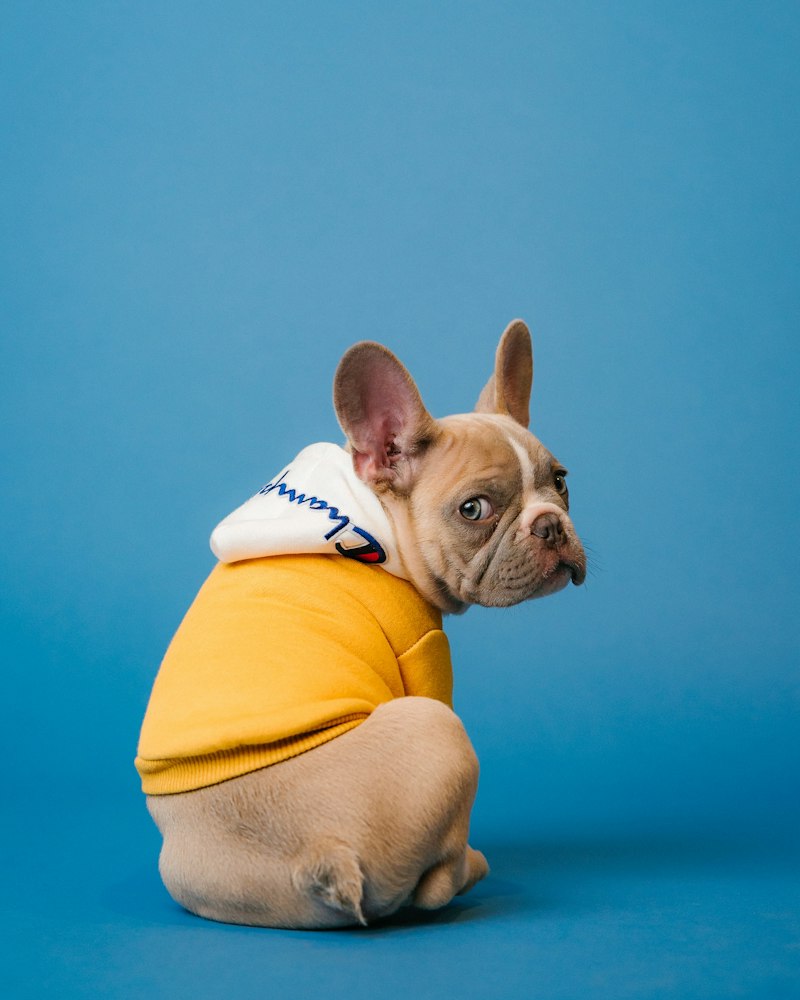
Walk into any pet supply store, scroll through any dog-focused social media account, or open your email inbox as a dog owner, and you'll encounter the same phenomenon: an overwhelming tsunami of products, guides, checklists, and "must-haves" that somehow grow more elaborate every year.
Need to travel with your dog? There's a 22-item checklist. Want to celebrate your dog dad? Seventy-five gift options await. Concerned about your dog's sleep schedule? Entire articles dissect the problem. Thinking about a specific breed? Prepare for an exhaustive shopping list that suggests you need specialized gear for every conceivable scenario.
This is the dog product industrial complex at peak saturation, and it's creating a real problem for actual dog owners.
The irony is stark. Dogs have thrived for thousands of years with remarkably simple needs: food, water, shelter, exercise, and human companionship. Yet the modern pet industry has built an empire on the premise that dog ownership requires constant consumption, decision-making, and upgrading. Every concern gets reframed as a product opportunity. Every behavior gets medicalized through a purchasing lens.
Your dog hates car rides? Buy the special travel cushion, the calming supplements, the window shades, the anxiety vest. Your dog's sleep patterns shifted? Explore the new orthopedic bed, the ambient noise machine, the light therapy collar. Each solution spawns ten more products claiming to optimize results.
This isn't necessarily malicious. Most pet companies genuinely want to help dogs and their owners. But the cumulative effect is exhausting and, frankly, counterproductive.
Dog owners are experiencing decision fatigue. New pet parents are arriving at ownership feeling undersupplied before they even bring their dog home. Experienced owners feel the creeping anxiety that they're somehow doing it wrong if they haven't invested in the latest specialized product category.
Meanwhile, the dogs? They're probably fine with less.
Here's my hot take: The real winners in the pet industry over the next five to ten years won't be the companies inventing the next category or adding another layer of complexity. They'll be the operators who simplify the mess.
Think about which brands command genuine loyalty. Often, it's the ones offering straightforward value: quality food at honest prices, durable toys that last, reliable training resources without upselling tangential products. These companies don't need to convince you that your dog has a sleep disorder. They just sell good dog food.
This simplification movement is already emerging in other industries. In fashion, it's the capsule wardrobe trend. In tech, it's the backlash against bloatware. In wellness, it's the skepticism toward supplement stacking. Smart consumers are exhausted by complexity and actively seeking clarity.
The dog industry should pay attention.
The operators who win will be those who clearly separate nice-to-have from need-to-have. They'll create straightforward product lines instead of overwhelming variety. They'll publish genuinely helpful content that doesn't exist primarily to drive purchases. They'll resist the constant pressure to expand into tangential categories.
This doesn't mean abandoning innovation or specialty products. Dogs with genuine medical needs deserve specialized solutions. But those solutions should be exceptions, not the default assumption for every dog owner.
For consumers, this means giving yourself permission to ignore the checklists. Your dog doesn't need 22 items for a car trip. Your dog needs a collar, a leash, and your reassurance. Smart, simple, sufficient.
The industry that embraced simplicity would actually expand its market by making dog ownership feel less overwhelming and more accessible. That's the real opportunity hiding underneath all the noise.