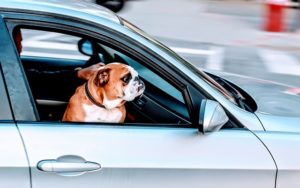
Many dogs experience anxiety and distress during car rides, but several practical strategies can help ease their discomfort and make travel safer for everyone.
Dogs develop car anxiety for various reasons. Motion sickness, fear of unfamiliar environments, loud noises, and negative past experiences all contribute to travel stress. Some dogs associate cars with vet visits or other upsetting events. Understanding your dog's specific triggers helps you address the root cause.
Start with gradual desensitization. Let your dog sit in a parked car with the engine off, then progress to short drives around the block. Reward calm behavior with treats and praise. This slow approach helps anxious dogs build confidence before tackling longer journeys.
Create a comfortable travel space. Use a dog crate, harness, or car barrier to provide security and reduce motion sickness. Some dogs feel safer with familiar toys, blankets, or even an article of your clothing in their designated area. Proper restraint also protects your dog during sudden stops or accidents.
Consider comfort measures during drives. Keep the car cool and well-ventilated. Take frequent breaks on longer trips so your dog can stretch, drink water, and eliminate. Never leave your dog unattended in a vehicle.
For severe anxiety, talk with your veterinarian about calming supplements or prescribed medications. Products containing L-theanine or pheromone diffusers can reduce stress without sedation. In some cases, anti-anxiety medications provide temporary relief while you work on behavioral training.
Avoid reinforcing fearful behavior. Don't coddle or overly comfort a panicked dog, as this can strengthen anxiety associations. Instead, remain calm and matter-of-fact about car time.
Exercise your dog before travel. A tired dog settles more easily and experiences less anxiety. A good walk or play session burns excess energy that might otherwise fuel nervous behavior.