# Misinformation About Pets Spreads Faster Than Ever as AI and Social Media Fuel False Claims
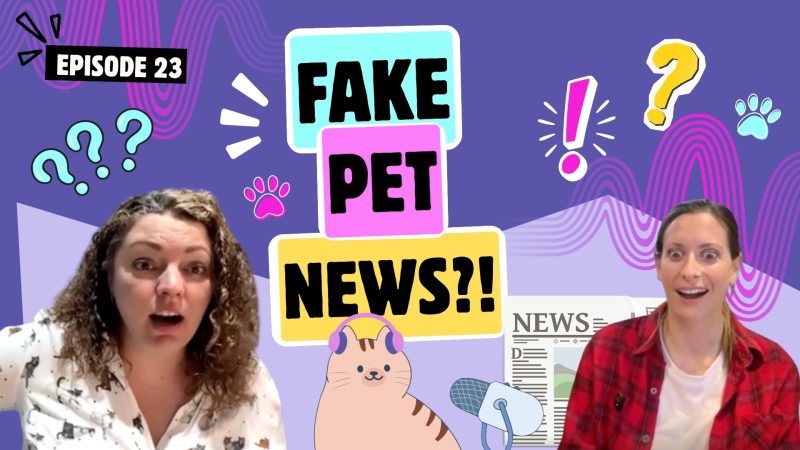
Fake pet news spreads rapidly online, and pet owners need better ways to spot unreliable information. The latest episode of Catster's "Chatty Cattys" podcast tackles how misinformation travels through social media and why artificial intelligence makes the problem worse.
False claims about pet health, nutrition, and behavior circulate constantly across platforms like TikTok, Instagram, and Facebook. Pet owners share unverified advice about treating cat or dog illnesses, recommending dangerous diets, or promoting unproven supplements. Many of these posts gain thousands of shares before fact-checkers catch them.
AI tools now generate convincing fake pet content at scale. These systems can create realistic articles, images, and videos about pet products or health treatments that never actually exist. Bad actors use AI to write false reviews of pet medications or create fake testimonials for bogus supplements.
Journalists covering the pet world face new challenges separating fact from fiction. Reputable pet reporters verify information through veterinarians, peer-reviewed studies, and established animal health organizations. This work takes time, but it protects readers from dangerous misinformation.
Pet owners should check the source before trusting pet advice online. Veterinarians from accredited schools, established animal hospitals, and organizations like the American Veterinary Medical Association offer trustworthy guidance. Be skeptical of posts that lack sources or cite unnamed experts.
The podcast episode encourages pet owners to ask questions. If a claim seems extreme or too good to be true, it probably is. Simple steps like checking publication dates, looking for author credentials, and seeking multiple sources help identify reliable pet information. As social media amplifies both truth and falsehoods, critical thinking becomes essential for keeping cats, dogs, and other pets safe and healthy.