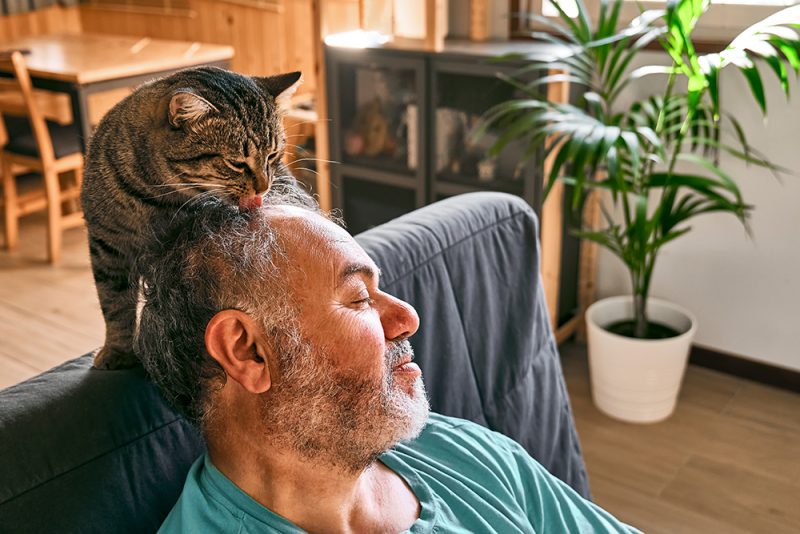
When your cat chews or licks your hair, the behavior usually signals affection rather than aggression. Cats engage in this grooming behavior as a way to bond with humans they trust, similar to how they groom other cats in their social group. This allogrooming, or mutual grooming, demonstrates that your cat considers you part of their family unit.
Cats also chew human hair for sensory reasons. They enjoy the texture and may find the experience calming. Some cats are attracted to the natural oils and scents in human hair, which can smell appealing to them. This explains why cats sometimes target specific people in the household or focus on hair that's freshly washed.
However, excessive hair chewing warrants attention. If your cat is compulsively chewing or eating large amounts of hair, it could indicate stress, anxiety, or an underlying health issue like pica, a condition where animals eat non-food items. Skin conditions, allergies, or nutritional deficiencies can also trigger abnormal chewing behavior. Indoor cats with limited environmental enrichment sometimes develop this habit out of boredom.
To manage the behavior, provide your cat with appropriate outlets for grooming instincts. Offer interactive toys, scratching posts, and regular play sessions. Ensure your cat's diet includes adequate taurine and other essential nutrients. If the behavior persists or intensifies, consult your veterinarian to rule out medical causes.
Most of the time, your cat's hair chewing is harmless and even flattering. It shows your cat feels safe enough to groom you. Just monitor the frequency and intensity. If your cat seems obsessive or you notice bald patches on your cat's own fur, contact your vet promptly. Understanding this quirky behavior helps you strengthen the bond with your feline companion while keeping both of you healthy.