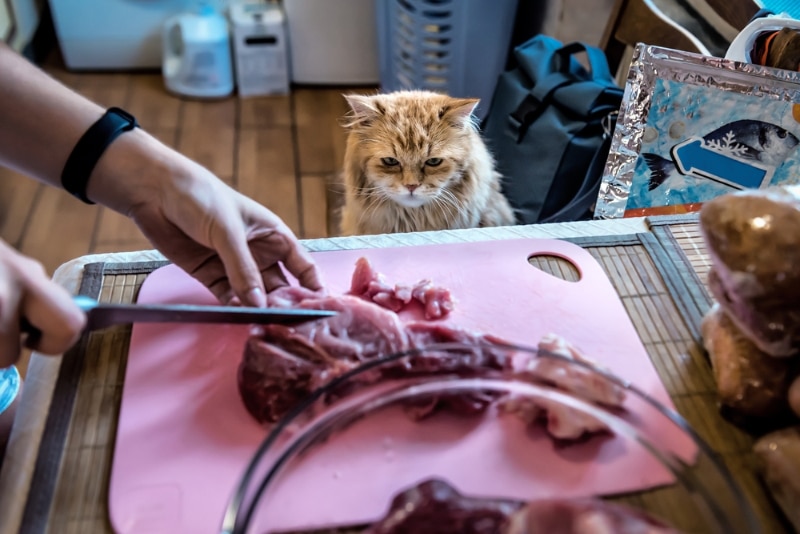
# E-Beam Technology Brings Food Safety to Raw Pet Diets
Raw pet food carries real risks. Bacteria like Salmonella and E. coli can contaminate meat intended for dogs and cats, potentially sickening both animals and their owners. Now the pet food industry is turning to electron beam irradiation, or e-beam technology, to solve this problem.
E-beams use ionizing radiation to eliminate harmful pathogens without heat. This 19th-century technology sterilizes medical equipment and food products globally. Applied to raw pet food, e-beams kill dangerous bacteria while preserving the nutritional profile and raw texture that proponents claim benefits carnivorous pets.
The process works by accelerating electrons to high speeds, allowing them to penetrate raw meat and destroy microorganisms at the DNA level. Unlike traditional cooking or pasteurization, e-beam treatment leaves the food nutritionally unchanged. Pet owners who prefer raw diets appreciate this distinction, though veterinary consensus remains mixed on raw feeding's overall safety and necessity.
Several raw pet food manufacturers now use e-beam treatment. This shift reflects growing demand from consumers seeking pathogen-free options without abandoning their raw feeding philosophy. The technology addresses legitimate food safety concerns that veterinarians have raised about raw diets for years.
The FDA already permits irradiation for conventional pet foods. Applying this approval specifically to raw diets represents a practical middle ground. Pet owners get the raw product they want. Pets receive safer meals. Households with immunocompromised humans or young children face reduced transmission risk from contaminated food.
However, e-beam technology adds production costs, which manufacturers may pass to consumers. Skeptics question whether raw feeding remains beneficial once bacterial load drops to standard safety levels. Veterinarians continue recommending proper handling, freezing, and hygiene regardless of processing method.
The