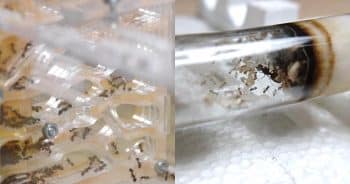
Wildlife experts are raising alarms about the expanding pet ant trade, which poses risks to native ecosystems and threatens established ant colonies across North America and Europe.
The pet ant hobby has exploded in popularity over the past decade. Enthusiasts purchase ant colonies, often shipped across state and international borders, to keep in specialized containers called formicaria. While many hobbyists maintain their colonies responsibly, escaped or intentionally released ants create serious ecological problems.
Several ant species prized by pet keepers are invasive when introduced to new environments. Argentine ants, fire ants, and carpenter ants top the list of concern. These species outcompete native ant populations, disrupt food webs, and damage agricultural operations. The red imported fire ant, already established in the southern United States, causes an estimated 750 million dollars in damages annually through crop destruction and property harm.
The trade operates largely unregulated. Online marketplaces and specialty retailers sell ant colonies with minimal oversight. Purchasers from different regions can order species native to distant ecosystems. When colonies escape or owners release them after losing interest, the ants establish themselves in unfamiliar territory where natural predators and competitors don't exist.
Scientists warn that climate change compounds the problem. Warming temperatures expand suitable habitat for invasive ant species, allowing them to spread further north and to higher elevations than previously possible.
Experts recommend stricter regulations on ant sales, including permits for species that pose invasion risks and restrictions on shipping across state lines. Education campaigns targeting hobbyists emphasize secure containment practices and proper disposal methods instead of release.
For pet owners interested in ants, researchers suggest choosing native species from your region. This practice supports local ecosystems while eliminating invasion risk. Responsible ant keeping remains possible with knowledge and care, but the casual trade in exotic species demands immediate attention from regulators and conservation officials.