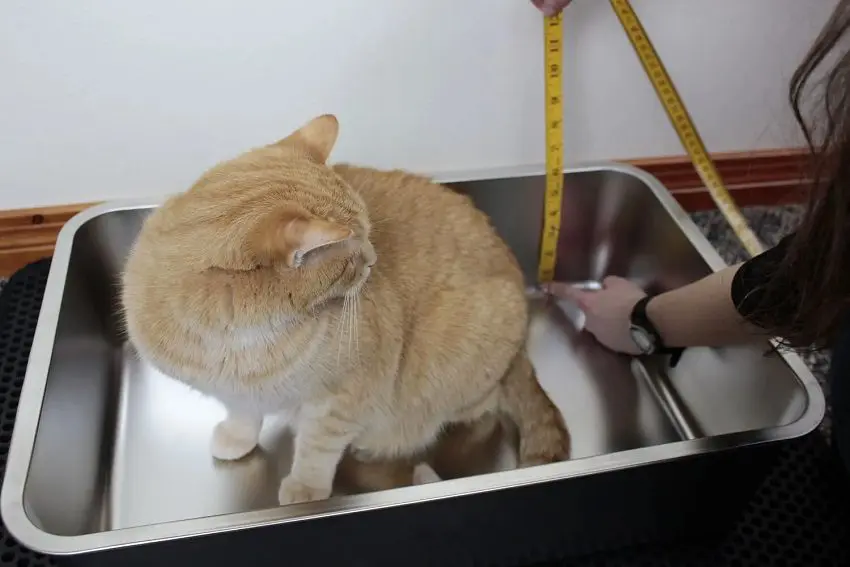
Stainless steel cat litter boxes offer pet owners a durable and hygienic alternative to traditional plastic models. Unlike plastic boxes, which absorb odors and harbor bacteria over time, stainless steel resists staining, rust, and odor retention. This makes cleaning faster and more effective.
The material's non-porous surface prevents urine from soaking in, a common problem with plastic litter boxes. Pet owners report that stainless steel boxes maintain freshness longer between cleanings and require less frequent replacement. The smooth finish also discourages bacterial growth that thrives in scratched or worn plastic surfaces.
Stainless steel litter boxes work well for multi-cat households where odor control becomes critical. The material withstands aggressive clawing better than plastic, extending the product's lifespan. Some cats prefer the cooler surface during warm months, which can encourage regular litter box use.
Maintenance is straightforward. Most stainless steel boxes can be wiped down daily with a damp cloth and sanitized with pet-safe cleaning products. Unlike plastic, the material won't degrade from repeated washing or disinfection, making it more economical over time despite higher upfront costs.
Design matters too. Stainless steel boxes come in various shapes and sizes, from traditional pans to covered models that contain litter scatter. Edge heights vary, helping owners match their cat's needs. Taller sides suit multi-cat homes, while lower sides work better for senior cats or those with mobility issues.
Pet owners should consider their cat's age and preferences when selecting size and style. Kittens may struggle with boxes designed for adult cats. Some cats dislike enclosed models and prefer open designs.
The investment in a quality stainless steel litter box typically pays dividends through durability and odor control. For households prioritizing cleanliness