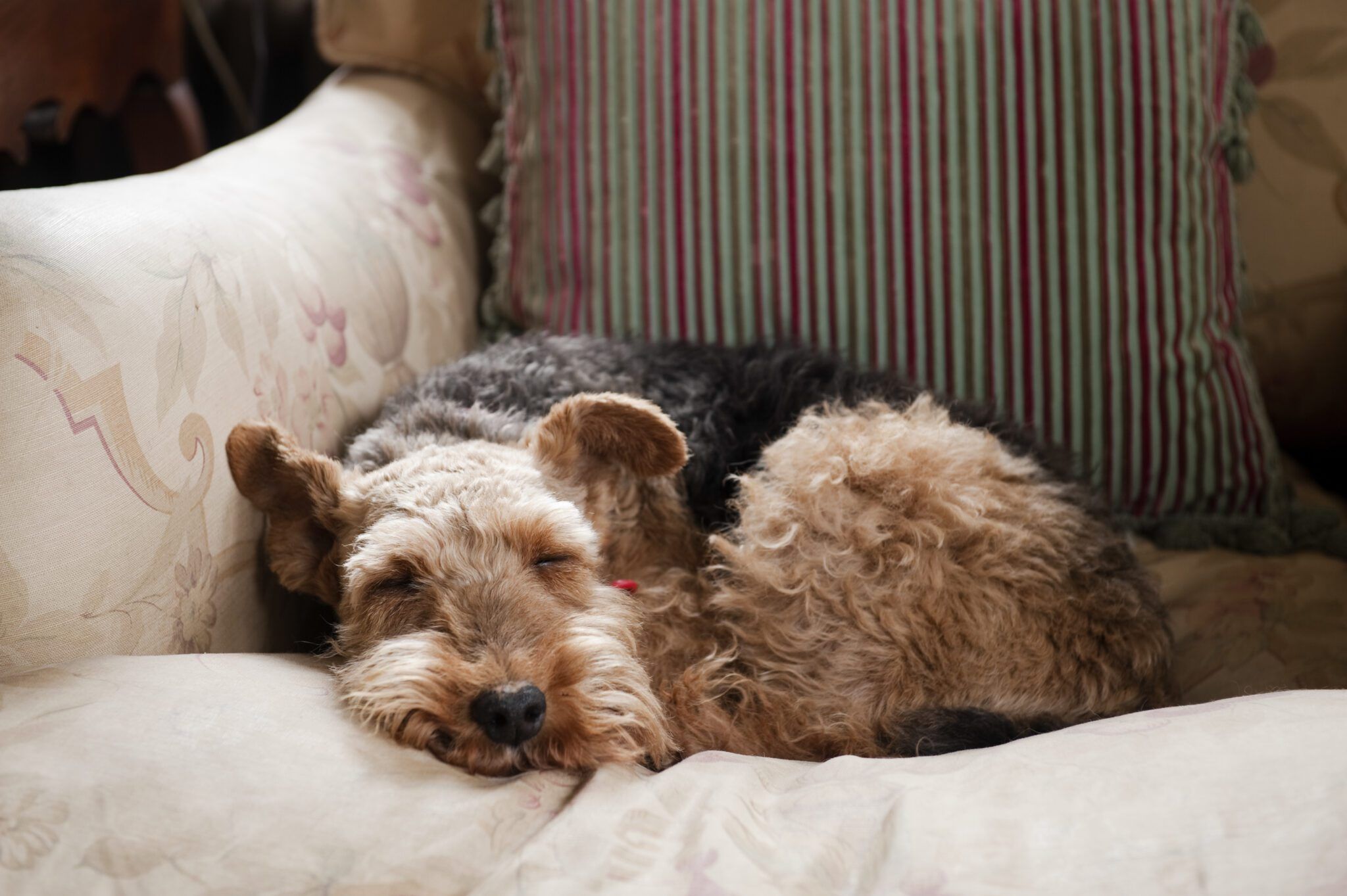
Dogs experience REM sleep just like humans do, and during this critical sleep stage, they likely dream. Scientists have confirmed that dogs enter the same rapid eye movement phase that humans experience during vivid dreaming, complete with rapid eye movements and intense brain activity.
Research shows that REM sleep serves essential functions for both species. During REM sleep, the brain consolidates memories, processes emotions, and supports cognitive development. Dogs spend roughly 10 percent of their sleep time in REM, compared to about 20 to 25 percent in humans. Puppies and senior dogs spend even more time in REM sleep, suggesting the stage becomes more important during periods of significant learning and neural change.
What dogs actually dream about remains a mystery, but scientists infer from brain activity patterns that dogs likely replay daily experiences. A dog might dream about chasing a squirrel, interacting with their owner, or playing with other dogs. Their twitching paws, whimpering sounds, and tail movements during sleep suggest they're mentally reliving these moments.
The discovery that dogs dream like humans reinforces how similar our neurology truly is. Both species require adequate REM sleep for healthy brain function. Sleep deprivation affects dogs the same way it affects people: memory problems, mood changes, and reduced immune function.
Pet owners can support healthy sleep cycles by providing dogs with a quiet, comfortable sleeping space, consistent bedtime routines, and enough daily exercise. Disrupting a dog's sleep during a dream is unnecessary and potentially stressful. Instead, let your dog sleep undisturbed through their REM cycles.
Understanding that dogs dream adds another dimension to pet care. These sleep stages aren't just downtime. They're when dogs' brains work hard to process their experiences and maintain emotional balance. Protecting your dog's sleep quality directly impacts their overall health and happiness.