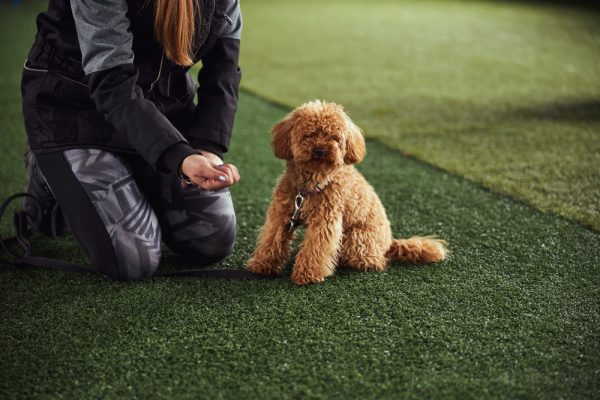
# The Right Way to Train a Skittish Dog, Approved by Vets
Skittish dogs need patience, not pressure. Veterinarians and certified trainers recommend using reward-based methods to help anxious dogs build confidence without triggering fear responses.
The foundation of training fearful dogs rests on positive reinforcement. Dogs that startle easily respond best when owners use high-value treats and calm verbal praise to reward brave behavior. Forcing a nervous dog into scary situations backfires. Instead, trainers suggest gradual exposure paired with treats. A dog nervous about car rides learns to sit near the vehicle, then step onto the floorboard, then ride for short distances. Each success earns immediate rewards.
Timing matters enormously. Vets stress that owners must reward behavior within seconds of it occurring so dogs make the connection between their action and the treat. A dog that approaches a visitor deserves a treat instantly, not minutes later.
Patience outweighs everything else. Skittish dogs progress at their own pace. Some take weeks or months to overcome specific fears. Rushing creates setbacks. Trainers recommend working in short sessions, five to ten minutes daily, rather than marathon training days.
Environmental management also helps. Removing triggers when possible reduces stress during the training process. A dog that panics at loud noises benefits from training in quiet rooms before facing louder spaces.
Many veterinarians recommend consulting certified professional dog trainers, particularly those certified by the Certification Council for Professional Dog Trainers. These professionals understand canine behavior science and can customize plans for individual dogs.
Punishment-based methods harm anxious dogs. Yelling, leash corrections, or intimidation increase fear and can lead to defensive aggression. Fear-based training teaches dogs to avoid situations and people, not to feel confident.
Some vets suggest calming supplements