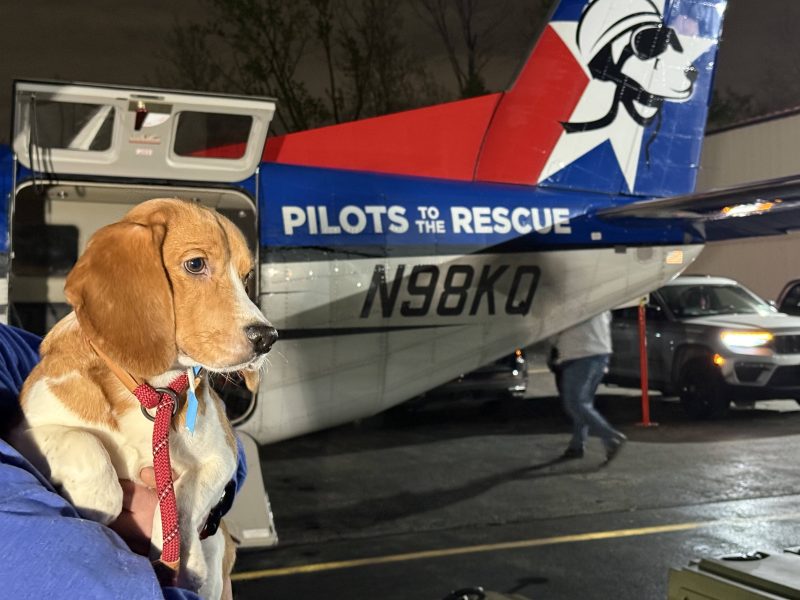
Approximately 1,500 beagles have been rescued from a Wisconsin laboratory facility in a major animal welfare operation. The dogs, many of whom had never experienced life outside the lab environment, are now being transported to rescue organizations and shelters across the country for rehabilitation and adoption.
The beagles came from a breeding facility that supplied dogs to research institutions. These animals spent their lives in kennels and laboratory conditions, making the transition to normal homes a significant adjustment. Most had limited human socialization and needed time to acclimate to household living.
Rescue organizations coordinated the massive placement effort, arranging transport for the dogs to partner shelters in multiple states. The beagles received veterinary evaluations before relocation to ensure they were healthy enough to travel. Many required treatment for common lab-dog health issues, including dental problems and skin conditions from prolonged cage confinement.
The rescue operation reflects growing public pressure on the research industry to reduce laboratory animal use. Advocacy groups have pushed for alternatives to animal testing and for improved conditions for animals in research facilities. This beagle rescue represents one of the largest single animal welfare interventions from a laboratory setting.
Adopters interested in welcoming a rescued beagle will find dogs with varying degrees of socialization. Some respond quickly to human contact and family environments. Others need patient, gradual introduction to normal household experiences. Rescue organizations providing these dogs offer support and guidance to new families throughout the adjustment period.
The rescued beagles now have opportunities for genuine family life, play, and companionship. Their placement in homes marks a second chance after years spent in research settings. This rescue operation demonstrates the capacity of animal welfare networks to handle large-scale rescue efforts and successfully transition laboratory animals into permanent homes.