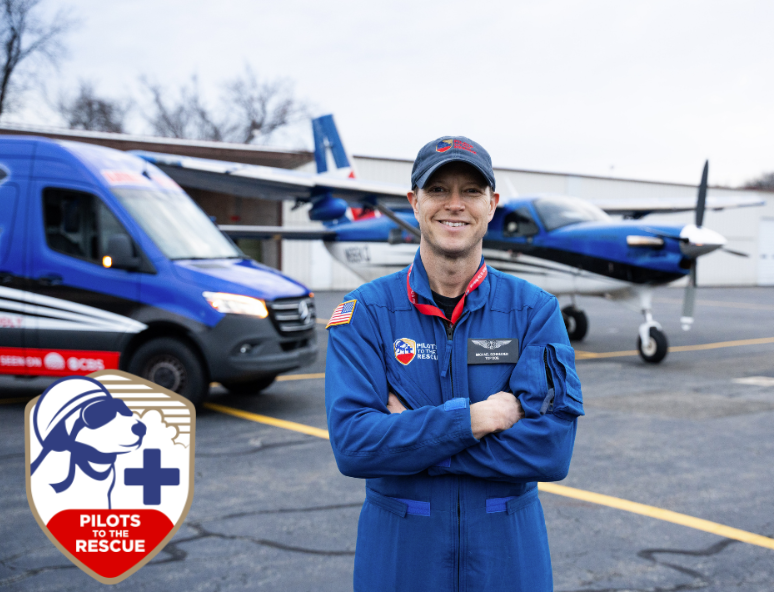
# Pilots to the Rescue
A pilot's passion for animals has transformed pet rescue across the nation. This volunteer-run operation uses private aircraft to transport thousands of dogs and cats from overcrowded shelters to safe homes, often moving animals from kill shelters to no-kill facilities where they receive a second chance at life.
The program works by coordinating with shelters across different regions. Volunteer pilots donate their time, fuel, and aircraft to fly animals between locations. This network solves a critical problem: shelter overcrowding in rural and underserved areas. Many animals facing euthanasia in high-intake facilities get transported to areas with greater adoption capacity and resources.
The operation handles logistics that traditional ground transport cannot match. Flights cover distances in hours that would take days by van or car. This speed matters when animals face time-sensitive situations in shelters. The program also reduces stress on animals compared to long-distance driving.
Rescue coordinators work with shelters to identify animals most needing relocation. Priority goes to dogs and cats with medical or behavioral needs, as well as those at risk in their current facilities. Once transported, these animals enter rescue networks with adoption support, veterinary care, and foster homes.
The initiative has saved thousands of dogs and cats since its inception. Participating pilots report deep fulfillment from combining their flying skills with animal welfare. Many volunteers flew during their careers as commercial or military pilots and continue after retirement.
Pet owners and adopters benefit from this network too. Families searching for specific dog or cat breeds or temperaments can access a wider pool of available animals. Many adopted pets come with full medical histories and behavior assessments from their rescue partners.
Shelters across the country now partner with these volunteer pilots. The model demonstrates how grassroots networks and skilled volunteers can address systemic animal welfare issues. This collaboration between aviation and animal rescue continues expanding, helping more