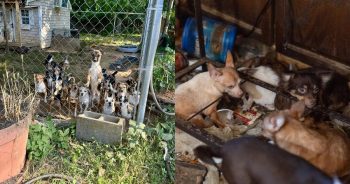
# Massive Rescue From Hoarding Home Gives Over 100 Chihuahuas a Fresh Start
Animal welfare officials rescued more than 100 chihuahuas from a hoarding situation, giving these small dogs a chance at healthy lives in proper homes. The rescue represents one of the largest chihuahua recoveries in recent memory and highlights the ongoing crisis of animal hoarding in residential settings.
Chihuahuas, one of the smallest dog breeds, often become targets for hoarders because they require less physical space than larger dogs. However, living conditions in hoarding homes rapidly deteriorate when dozens or hundreds of animals occupy limited areas. The rescued chihuahuas faced overcrowding, inadequate food and water, poor sanitation, and minimal veterinary care.
The operation involved multiple animal rescue organizations and local authorities working together to safely remove all animals from the home. Each chihuahua received immediate medical evaluation to assess individual health conditions. Many required treatment for malnutrition, parasites, dental disease, and untreated infections common in hoarding situations.
Rescue workers documented each dog's temperament and health status to match them with appropriate foster families and permanent adopters. Chihuahuas often suffer psychological trauma from hoarding conditions, so behavioral rehabilitation became part of their recovery process. Some dogs needed gradual socialization and training to rebuild trust in humans.
The rescue organizations appealed to the community for foster homes and adoptive families. Prospective adopters received education about chihuahua-specific needs, including their vulnerability to cold weather, dental problems, and joint issues. Many of the rescued chihuahuas required follow-up veterinary care even after placement in new homes.
This rescue demonstrates why animal welfare agencies maintain hoarding hotlines and encourage neighbors to report suspected cases early. Early intervention prevents suffering and reduces the overwhelming financial and emotional burden on rescue organizations. Local