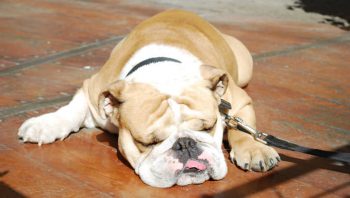
Bulldogs scratch more than many other breeds, and persistent itching signals an underlying problem that needs attention. Excessive scratching leads to skin infections, hair loss, and discomfort in these already health-sensitive dogs.
Several factors trigger scratching in bulldogs. Allergies, whether food-based or environmental, rank among the most common culprits. Bulldogs also suffer from skin fold dermatitis, a bacterial or yeast infection that develops in their characteristic wrinkles and folds. Parasites like fleas and mites cause intense itching even when infestations go unnoticed. Dry skin, ear infections, and anal gland issues add to the list of possibilities.
Eight practical approaches help reduce scratching:
Start with a veterinary visit to identify the root cause. Your vet can perform skin scrapings or fungal cultures to rule out mites and infections. Switch to hypoallergenic dog food if allergies seem likely, though this change takes four to six weeks to show results. Add omega-3 and omega-6 fatty acid supplements to your bulldog's diet, as these nutrients strengthen skin barriers and reduce inflammation.
Keep skin folds clean and dry by gently wiping them daily with a soft cloth. This prevents moisture buildup that feeds bacterial and yeast growth. Bathe your bulldog weekly with medicated shampoos recommended by your vet, using lukewarm water to avoid irritating sensitive skin. Apply moisturizing creams or sprays after bathing to combat dryness.
Use flea and tick prevention year-round, even if you see no signs of parasites. Regular parasite control stops infestations before they develop. Finally, consider an Elizabethan collar if your bulldog cannot stop licking and biting at irritated areas, which prevents further damage while other treatments work.