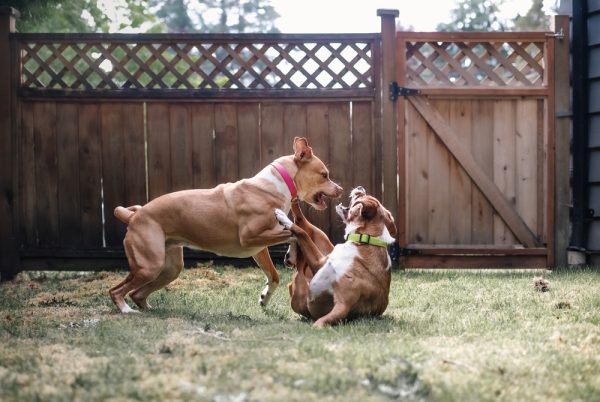
Dogs engage in rough play for natural, developmentally appropriate reasons. Puppies and young dogs use wrestling, chasing, and mock-fighting to learn social boundaries, burn energy, and build confidence with other dogs. This behavior typically peaks during the first two years of life.
However, rough play can escalate into genuine aggression or injury if left unchecked. Warning signs include one dog consistently pinning another, refusing to take turns during play, growling with tension rather than playfulness, or showing signs of fear or stress in the other dog.
Pet owners can manage rough play through several proven strategies. First, supervise all interactions between dogs, especially unfamiliar ones. Watch body language closely. Healthy play involves loose, bouncy movements, frequent role-reversals where both dogs take turns being "chased," and natural breaks where dogs disengage briefly.
Interrupt play before it becomes too intense. Call dogs away, redirect their energy with toys or commands, then allow them to resume if appropriate. Teaching a reliable "leave it" or "come" command gives owners control when things escalate.
Exercise matters significantly. A tired dog plays less roughly than one bursting with pent-up energy. Daily walks, fetch sessions, and interactive play reduce problematic behavior.
Training helps too. Teach dogs impulse control and basic obedience. Rewarding calm behavior around other dogs reinforces appropriate social skills. If a dog consistently plays dangerously despite these efforts, consult a certified professional dog trainer or veterinary behaviorist.
Separate dogs if one shows signs of distress like yelping, freezing, or trying to escape. Some dogs simply don't enjoy rough play and need calmer companions or supervised solo play instead.
Age matters as context. Puppies learning social skills need some rough play. Adults who've never learned boundaries may struggle more. Older dogs typically prefer