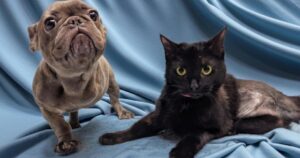
# Three-Legged Best Friends Melt Hearts With Their Incredible Bond
Two three-legged dogs have captured hearts online by demonstrating that physical disabilities do not limit a pet's ability to live a full, joyful life. The pair's friendship shows how dogs with limb loss adapt remarkably well to their circumstances and thrive with proper care and companionship.
Dogs missing a limb often recover quickly from amputation surgery. Most veterinarians report that canines adjust to three-legged mobility within weeks. The dog's natural balance and muscle memory allow them to compensate for the missing leg without long-term pain or reduced quality of life. Many three-legged dogs run, play, and jump as if they were unaffected.
These two companions illustrate an often-overlooked truth about disabled pets. Their disability does not define their experience. With a loving home, proper nutrition, and veterinary support, three-legged dogs enjoy the same activities and relationships as their four-legged counterparts. Some owners report their disabled dogs become more energetic and playful after recovery, as though relieved of pain that preceded amputation.
Social bonds between dogs strengthen when they share similar experiences. Two three-legged dogs living together may find comfort in understanding each other's mobility. They develop routines together, play at comparable intensity levels, and offer mutual encouragement. This companionship reduces anxiety and promotes mental wellness in both animals.
Pet owners considering adoption of a disabled dog should know that amputation is survivable and manageable. Veterinary care, physical therapy, and environmental modifications like ramps or non-slip flooring support recovery. Most three-legged dogs live normal lifespans without complications.
Stories like this challenge misconceptions about disabled pets. They demonstrate resilience, adaptability, and the profound bonds that form between animals. For adoption advocates, these heartwarming