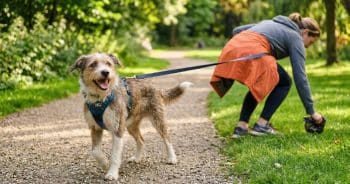
Pooper Scooper Awareness Week returns to highlight the tools and products that make yard cleanup easier for dog owners. The annual observance encourages pet parents to stay on top of waste management, which protects both community spaces and canine health.
Proper waste removal matters beyond basic hygiene. Dog feces left in yards and parks can spread parasites like roundworms, hookworms, and giardia to other dogs and humans. Regular scooping reduces these transmission risks and prevents intestinal infections in your own dog. Fecal matter also contaminates soil and water sources when left unattended.
Dog owners have numerous cleanup options to choose from this season. Traditional metal scoops with long handles remain reliable standbys for yard work. Biodegradable poop bags offer an eco-conscious alternative to plastic. Spring-loaded scoops reduce hand contact with waste. Rolling bins designed specifically for dog waste contain odors and simplify disposal.
For apartment dwellers and urban pet owners, portable cleanup kits fit easily in pockets or purses during walks. Enzymatic waste digesters break down feces in place for those with septic systems. Automatic litter-style boxes designed for dogs handle waste collection without manual scooping, though these require electricity and regular maintenance.
Pet waste disposal stations have become standard in many parks and neighborhoods. These receptacles keep refuse contained and accessible. Some communities offer pickup services where professional cleaners handle yard maintenance for busy dog owners.
Veterinarians recommend daily or twice-daily scooping in yards where dogs spend significant time. This frequency prevents parasite buildup and reduces fly and odor problems. For dogs with health issues or older animals on medications, immediate cleanup proves especially important.
Pooper Scooper Awareness Week serves as a reminder that responsible waste management represents a fundamental part of dog ownership. Consistent