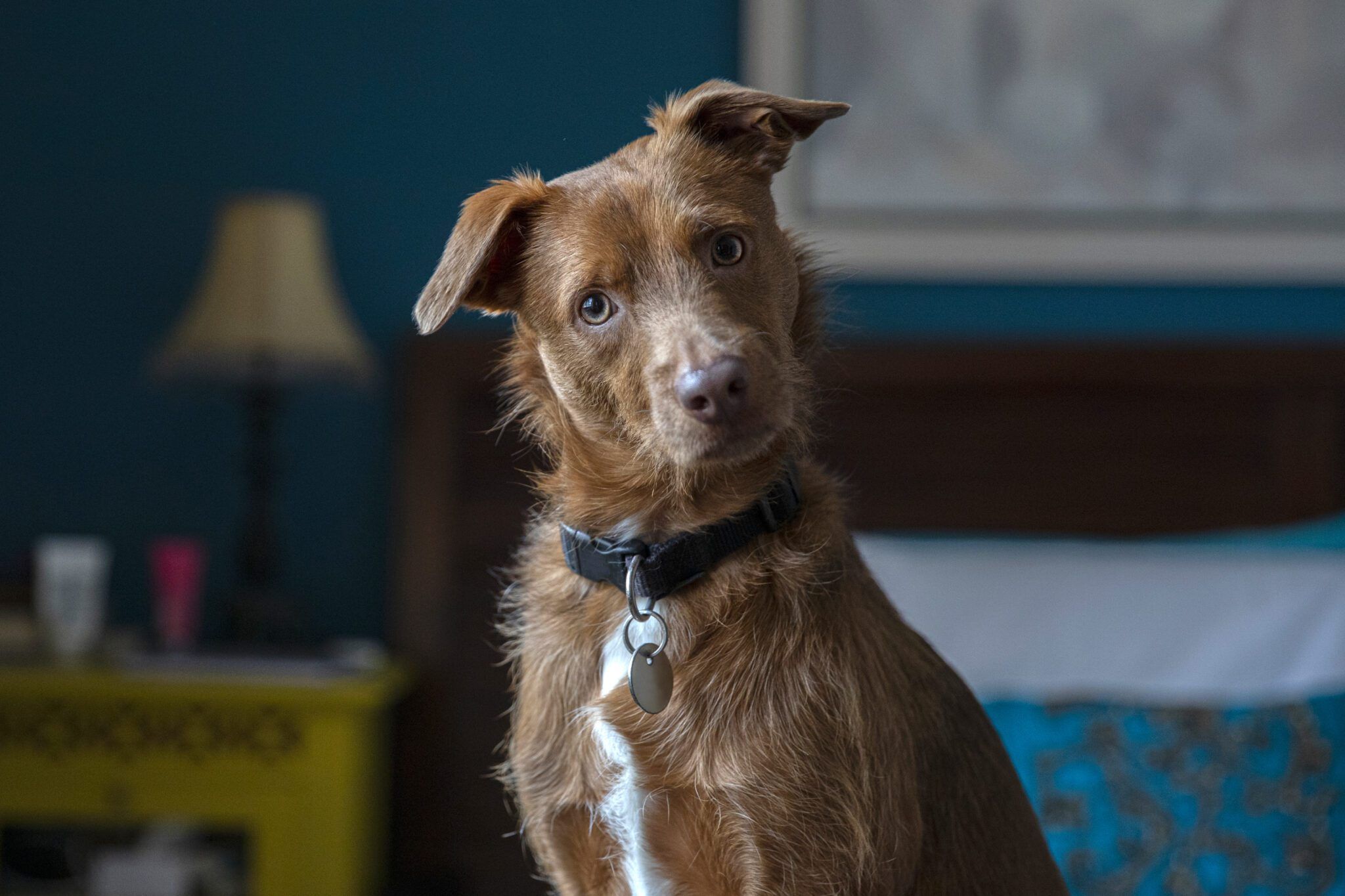
Dog odors in homes stem from multiple sources, and pet owners can tackle them with targeted strategies.
Wet dog smell, urine, feces, vomit, skin conditions, and food residue create layered odor problems that require different solutions. The stench compounds when multiple sources combine, making the entire house smell distinctly "dog-owned."
The fastest approach addresses the root causes rather than masking odors. Urine accidents demand enzyme-based cleaners that break down uric acid crystals. Products like Nature's Miracle or Rocco & Roxie work on hard floors, carpets, and upholstery by neutralizing the compounds responsible for the smell, not just covering them. For fresh messes, immediate cleanup prevents odors from setting into fibers.
Wet dog smell responds to proper grooming and drying. Regular baths with quality dog shampoo reduce skin bacteria and oils that create that distinctive odor when damp. Toweling dogs thoroughly after outdoor adventures or baths prevents moisture from trapping odor-causing organisms in the coat. Air drying in sunlight naturally kills odor bacteria.
Skin and coat problems require veterinary attention. Dogs with yeast infections, bacterial overgrowth, or seborrhea produce stronger odors that bathing alone won't fix. A veterinarian can diagnose underlying conditions and prescribe medicated shampoos or treatments.
Food-related odors benefit from consistent cleanup. Removing uneaten kibble within an hour, wiping food bowls promptly, and storing dog food in airtight containers prevents fermentation smells from developing.
Ventilation matters. Opening windows, running exhaust fans, and using HEPA air purifiers circulate fresh air through problem areas. Enzymatic odor eliminators work alongside these methods.
For established odors in carpets, professional