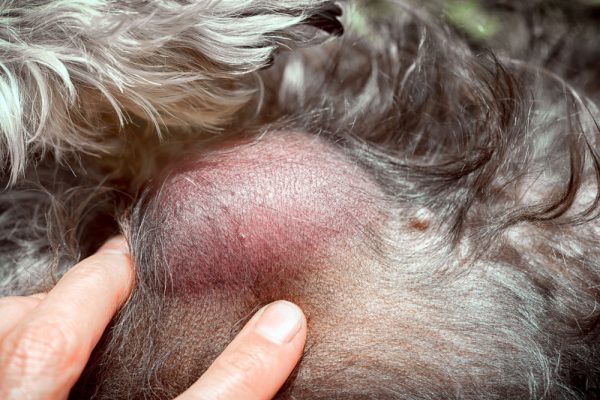
Finding a lump on your dog's body triggers worry, and rightfully so. Not every bump signals cancer, but all lumps deserve veterinary attention. Your vet plays the only role that matters here—diagnosis.
Dogs develop lumps for many reasons. Lipomas, benign fatty tumors, rank among the most common growths in dogs. These soft, movable bumps grow slowly under the skin and cause no pain. Older dogs develop them frequently. Cysts, warts, and skin tags also appear routinely and pose no threat.
Cancerous tumors exist too. Mast cell tumors, hemangiosarcoma, and lymphoma affect dogs at various ages. Early detection saves lives. A lump that grows quickly, feels hard, bleeds, or appears ulcerated demands urgent evaluation.
Your role starts with regular handling. Pet your dog daily from nose to tail. Feel their entire body. This familiarity helps you spot new growths immediately. Note the size, texture, location, and growth rate of any lump you find.
Schedule a veterinary appointment promptly. Your vet will perform a physical exam and may recommend diagnostics. Fine-needle aspirate testing draws a small cell sample from the lump. This procedure causes minimal discomfort. Ultrasound imaging reveals depth and internal characteristics. Biopsy or surgical removal provides definitive diagnosis when needed.
Treatment depends entirely on diagnosis. Lipomas require no treatment unless they interfere with movement. Cancerous tumors may need surgery, chemotherapy, radiation, or immunotherapy. Your vet discusses prognosis and options honestly.
Preventive care matters too. Maintain healthy weight, feed quality nutrition, provide exercise, and keep vaccinations current. These steps support overall health but cannot prevent all tumors.
Age increases lump risk substantially. Senior dogs require monthly skin checks