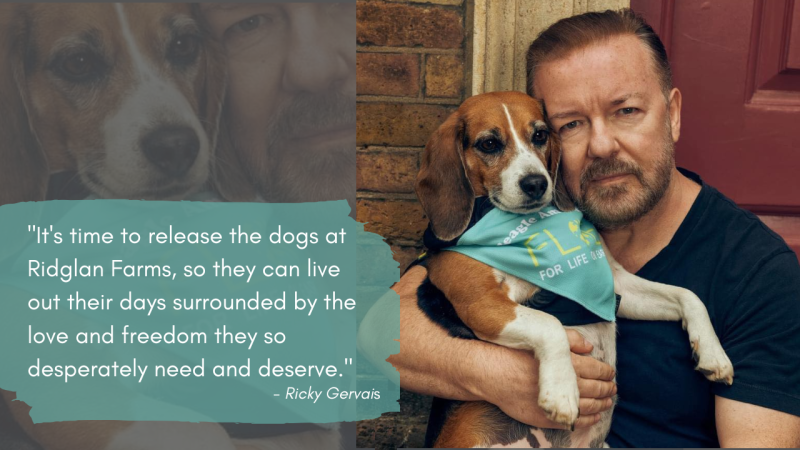
Comedian and animal rights advocate Ricky Gervais has launched a public campaign urging the release of dogs from facility confinement, according to reporting from Dogster. The initiative centers on freeing dogs held in what Gervais characterizes as unnecessary captivity situations.
Gervais, a longtime vocal supporter of animal welfare causes, frames the campaign with urgency around dog welfare standards. His message targets facilities where dogs remain confined without adequate justification, pushing for their release into appropriate care or adoption pathways.
The campaign aligns with Gervais's established track record of animal advocacy. The comedian has previously supported various rescue organizations and spoken publicly about improving conditions for animals in captivity across multiple species.
Details about specific facilities or the scope of dogs affected by Gervais's "Release The Dogs" initiative remain limited in available reporting. The campaign appears designed to raise public awareness about confined dog populations and mobilize support for their placement into homes or rescue programs.
Animal welfare advocates often distinguish between legitimate facility operations (such as licensed shelters, training programs, and veterinary care centers) and situations where confinement lacks clear purpose or adequate standards. Gervais's framing suggests his focus targets the latter category.
The campaign reflects broader conversations within animal welfare communities about dog housing standards, enrichment requirements, and the ethics of long-term facility confinement. Organizations like the American Kennel Club and various rescue networks have developed guidelines addressing appropriate dog housing and socialization needs.
Pet owners interested in supporting dog welfare can research local rescue organizations, consider adoption from shelters, and support advocacy groups working on facility standards. Understanding what constitutes appropriate dog care helps owners evaluate whether dogs in their communities receive proper treatment.
Gervais's public platform brings additional visibility to dog welfare issues. His involvement may encourage broader discussion about confinement practices and inspire supporters to investigate local facility conditions and support