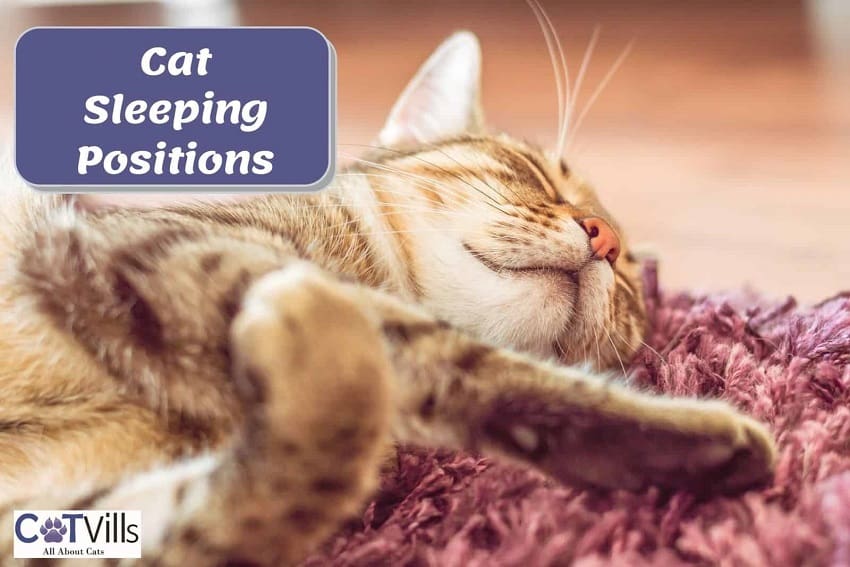
Cat sleeping positions reveal their emotional state and level of comfort in your home. Understanding these poses helps you recognize when your cat trusts you and when they remain cautious.
Cats demonstrate their highest trust when sleeping belly-up or on their side. These vulnerable positions expose their abdomen, the most delicate part of their body. A cat only adopts these poses when they feel completely safe in their environment. If your cat sleeps this way around you, they consider you part of their trusted inner circle.
The loaf position, where cats tuck their paws underneath their body, signals comfort with a layer of alertness. Cats in this pose can launch upright quickly if needed. Similarly, tightly curled sleeping cats maintain readiness while enjoying a comfortable rest. These positions show your cat feels reasonably safe but hasn't fully let their guard down.
Location matters too. Cats sleeping near you on the bed, couch, or in the same room choose closeness deliberately. This behavior reflects bonding and security. Solo sleeping positions, like curling on their own cat bed away from household activity, indicate your cat enjoys independent rest without necessarily showing distance or distrust.
The 2025 research confirms what cat behaviorists have long observed. sleeping poses directly correlate with a cat's trust level and anxiety state. Cats that frequently change positions throughout the day demonstrate healthy emotional flexibility. Cats stuck in tense, coiled positions may experience ongoing stress.
Track your cat's sleeping habits over time. Multiple belly-up naps suggest deep trust. Sudden shifts toward tight curling or hiding spots might signal environmental changes, health issues, or stress. New pets, household renovations, or even schedule changes can affect how your cat sleeps.
Your cat's sleep style provides free behavioral insight. These natural poses cost nothing to observe and reveal genuine emotional data. Pay attention to where your cat sleeps, how they