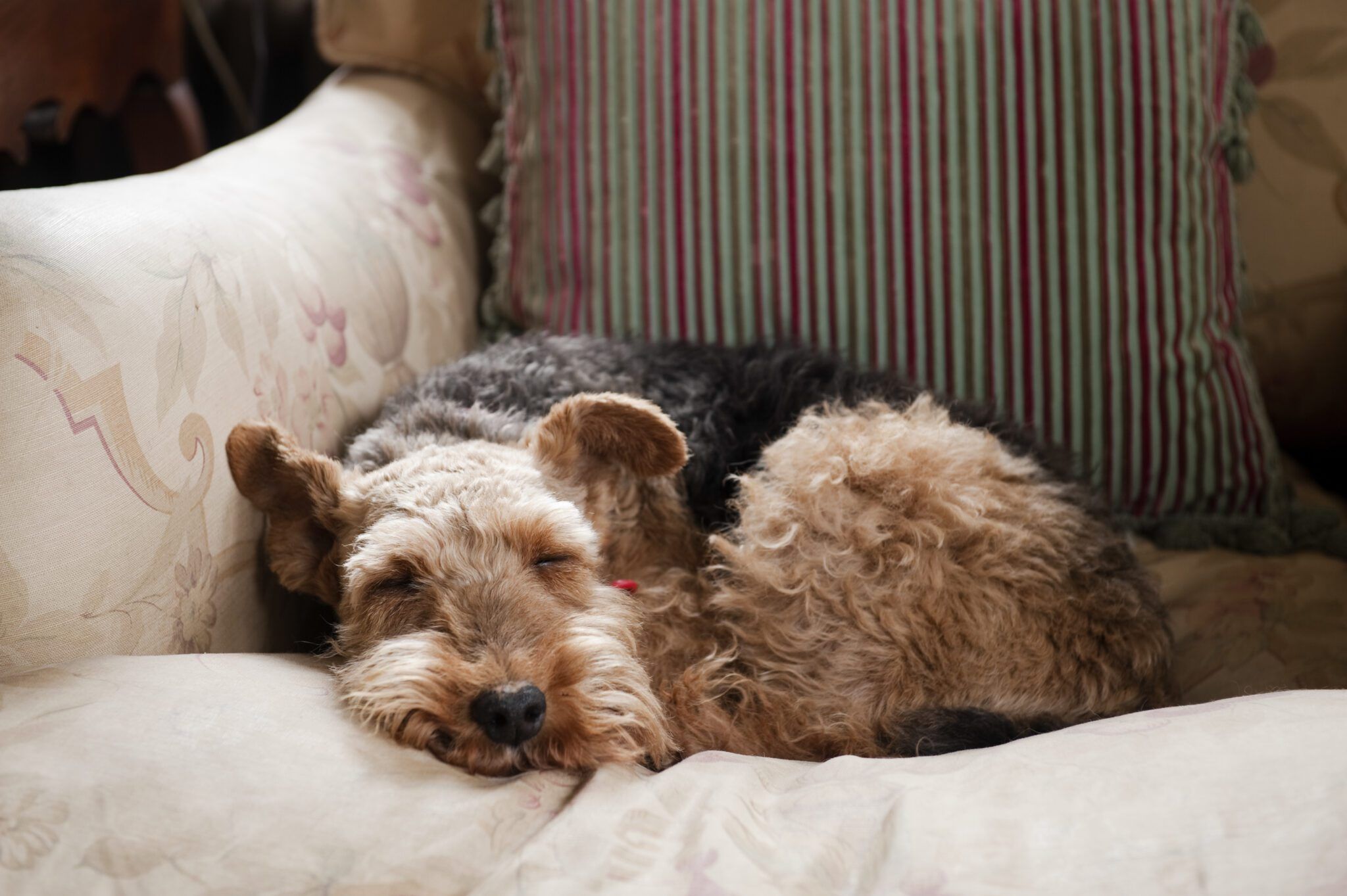
Dogs experience REM sleep just like humans do, and research confirms they dream during this critical sleep stage. During REM (Rapid Eye Movement) sleep, dogs show intense brain activity, rapid eye movements, and the physical signs we associate with dreaming in people.
Scientists have documented that dogs cycle through sleep stages similar to humans. REM sleep accounts for roughly 10 percent of a dog's total sleep time, compared to about 20 to 25 percent in people. During REM phases, dogs often twitch, paddle their paws, whimper, or move their eyes rapidly beneath closed eyelids. These behaviors strongly suggest dogs are dreaming.
The content of canine dreams likely reflects their waking experiences. Dogs probably dream about their owners, other animals they've encountered, walks they've taken, or play sessions. Their brains process daily events during sleep much as human brains do, consolidating memories and emotions.
REM sleep serves vital functions for dogs beyond entertainment. This sleep stage supports memory formation, emotional processing, and brain development. Puppies spend more time in REM sleep than adult dogs because their developing brains require extra processing time. Senior dogs may experience changes in REM patterns as cognitive function shifts with age.
Understanding that dogs dream reinforces the emotional depth of our relationships with them. Their nighttime brain activity mirrors the complex inner lives we observe during waking hours. A dog twitching or making soft noises while sleeping isn't just random muscle activity. That dog is actively engaging its brain, processing the day's experiences and storing important memories.
Pet owners sometimes worry about their dogs having bad dreams, especially if a dog wakes suddenly or seems distressed. While dogs can experience stressful REM periods, brief episodes are normal. Chronic sleep disturbances warrant a veterinary checkup to rule out pain, anxiety disorders, or neurological issues.
Quality sleep directly