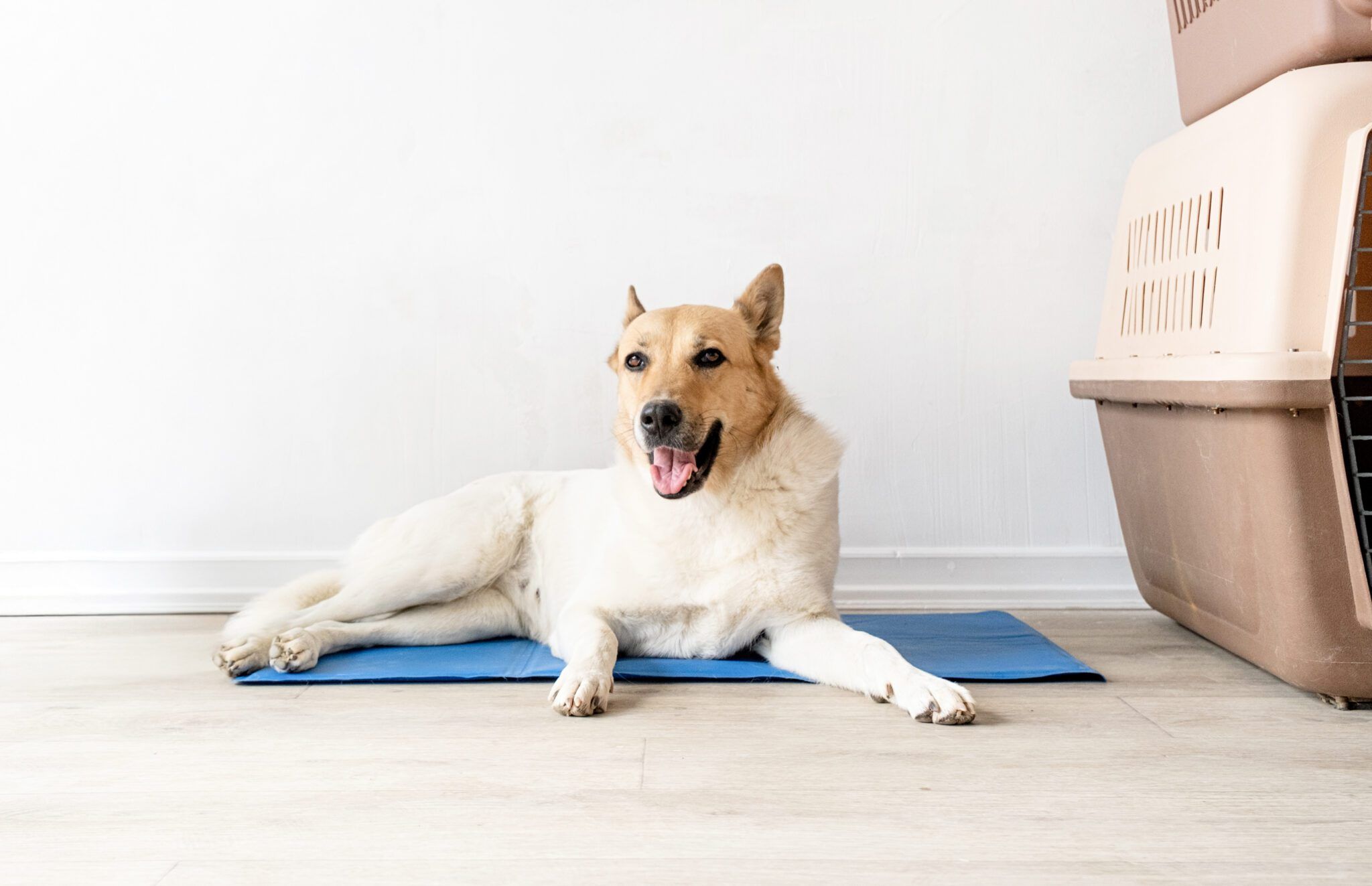
Dogs overheat faster than humans, and summer temperatures can trigger serious health risks like heat stroke. Cooling beds offer a practical solution to keep your dog comfortable during warm months.
Cooling dog beds work through several mechanisms. Gel-infused beds absorb and dissipate body heat without electricity. Water-based cooling beds circulate cool water underneath your dog, providing consistent temperature control. Orthopedic cooling beds combine memory foam with cooling technology, benefiting older dogs or those with joint problems. Some beds use moisture-wicking fabrics that pull sweat away from your dog's skin.
When selecting a cooling bed, consider your dog's size and sleeping habits. A small terrier needs less surface area than a large golden retriever. Some dogs prefer curled sleeping positions, while others sprawl out. Measure your dog's typical sleeping space before purchasing.
Durability matters for active dogs. Look for beds with reinforced stitching and chew-resistant covers. Many cooling beds feature removable, washable covers that simplify cleaning. Check the material quality. Quality gel formulations maintain cooling effectiveness longer than budget alternatives.
Location affects cooling bed performance. Place the bed in a shaded area away from direct sunlight. Air circulation around the bed improves cooling efficiency. Some dog owners position cooling beds near fans or air conditioning vents for extra relief.
Cost varies widely. Basic cooling mats start around $30 to $50. Premium gel beds range from $60 to $150. Water-based systems typically cost more but offer superior cooling for heavy-set or large breeds prone to overheating.
Temperature-sensitive dogs benefit most from cooling beds. Breeds with thick coats like German Shepherds, Huskies, and Saint Bernards struggle in heat. Flat-faced breeds like Bulldogs and Pugs face elevated heat stroke risk and particularly benefit from cooling