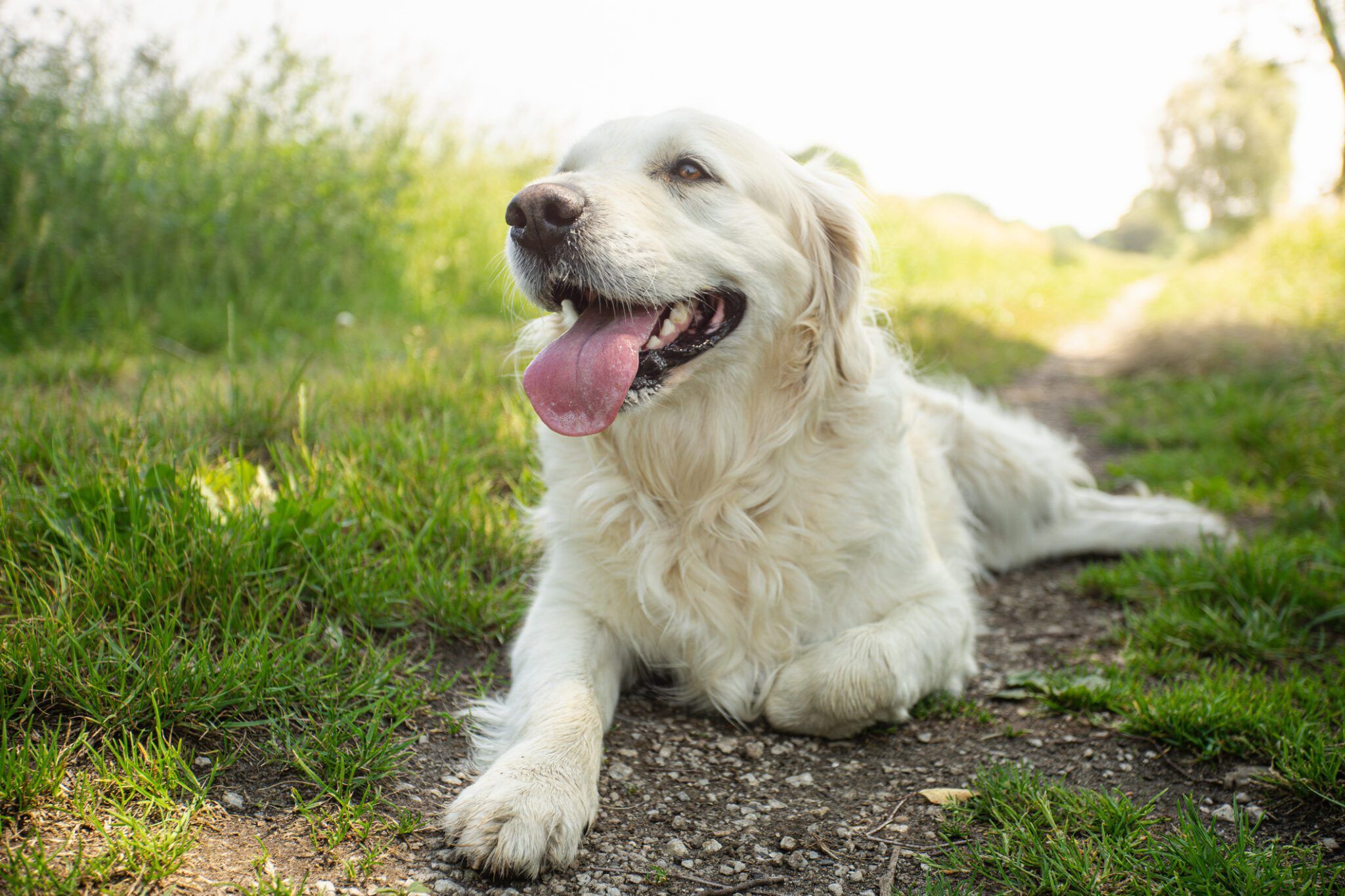
Heavy breathing in dogs takes several forms, and understanding the difference matters for your pet's health. Panting represents the most common type of increased respiration, characterized by rapid breathing with a regular rhythm, open mouth, and typically a relaxed demeanor. Dogs pant after excitement, vigorous exercise, or in response to anxiety. When anxiety triggers the panting, you may notice your dog's posture becomes slightly stiff, signaling emotional distress rather than physical exertion.
Recognizing what prompts your dog's heavy breathing helps you determine whether a veterinary visit is necessary. Exercise-induced panting usually resolves within minutes as your dog cools down and catches their breath. Similarly, excitement-related panting tends to normalize once the stimulus passes. Anxiety-related panting presents differently. A dog experiencing stress may maintain rapid breathing even after activity stops, and their body language often reflects tension.
Other causes of heavy breathing exist beyond simple panting. Some dogs develop abnormal breathing patterns from health conditions including heart disease, respiratory infections, obesity, or pain. Brachycephalic breeds like Bulldogs and Pugs naturally struggle with heavy breathing due to their facial structure, making them prone to respiratory distress. Older dogs sometimes develop breathing difficulties from age-related changes.
Temperature regulation also drives heavy breathing. Dogs lack sweat glands and rely on panting to cool themselves. Overheating represents a genuine emergency. If your dog pants heavily in cool environments, shows blue or pale gums, drools excessively, or appears lethargic, contact your veterinarian immediately.
Track the context surrounding your dog's heavy breathing. Note when it occurs, how long it lasts, and what your dog does beforehand. This information helps your vet identify patterns. If heavy breathing persists without clear cause, occurs during rest, or accompanies other symptoms like coughing or