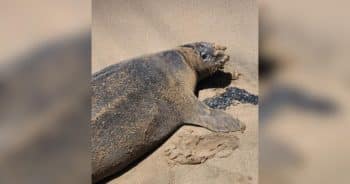
A tourist attacked an endangered Hawaiian monk seal on a beach in Hawaii, prompting outrage from local residents and wildlife advocates. The incident highlights the ongoing conflict between human visitors and one of the world's most vulnerable marine mammals.
Hawaiian monk seals rank among the most endangered pinnipeds globally, with fewer than 1,400 individuals remaining in the wild. These seals haul out on beaches to rest and breed, making them vulnerable to disturbance and injury from humans. Federal law protects them under the Marine Mammal Protection Act, which prohibits harassing, touching, or approaching the animals within 150 feet.
The attack occurred despite clear warnings posted at the beach. Locals report that tourism pressure on Hawaiian beaches continues to escalate, with many visitors unfamiliar with or indifferent to wildlife protection laws. The incident sparked calls for increased enforcement and better education efforts targeting tourists.
Wildlife managers at the National Oceanic and Atmospheric Administration (NOAA) emphasized that monk seals require undisturbed resting areas for survival. Disturbances interrupt critical activities including nursing, thermoregulation, and recovery from hunting. Pups born to stressed mothers show lower survival rates.
The Hawaiian monk seal population has fluctuated dramatically over the past century due to hunting, habitat loss, and disease. Recovery efforts have focused on establishing protected beach areas and reducing human-wildlife conflicts. Recent population counts show slight growth in some regions, but the species remains at serious risk.
Local communities have intensified efforts to protect remaining seal populations through signage, volunteer patrols, and public awareness campaigns. Organizations work with hotels and tour operators to educate visitors about the importance of maintaining distance from seals.