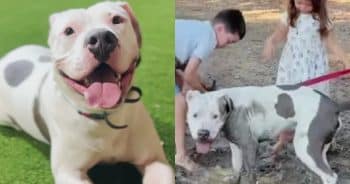
A dog named Jacob flourished emotionally and socially after joining a foster home with other dogs. The transformation shows how foster care environments benefit dogs waiting for permanent adoption.
Jacob arrived at his foster home needing more than just food and shelter. He required socialization with other dogs to build confidence and learn healthy play behaviors. Foster families provide this critical exposure in a home setting rather than a shelter environment.
Playing with foster siblings helped Jacob develop crucial canine communication skills. Dogs learn bite inhibition, appropriate play intensity, and social cues through interaction with other dogs. These skills make adopted dogs more adaptable to their forever homes, whether those homes have other pets or not.
Foster homes reduce stress for dogs in transition. Shelter environments, while necessary, can be overwhelming for anxious or undersocialized dogs. Time in a quiet home with consistent routines and caring humans helps dogs decompress and show their true personalities to potential adopters.
The experience also benefits the foster family. They learn Jacob's temperament, energy level, and any special needs. This information helps adoption counselors match him with the right permanent home. Foster families essentially become advocates who can share detailed knowledge about the dog's behavior and needs.
Dogs like Jacob who spend time in foster care show improved adoption outcomes. They bond more easily with their new owners and adjust faster to permanent homes. They arrive with a foundation of trust in humans and comfort around other animals.
Foster programs address shelter overcrowding while giving individual dogs personalized attention. Each fostered dog frees shelter space for animals that cannot be cared for in homes. This network approach protects more animals overall.
If you've watched Jacob's journey, you witnessed the real power of fostering. His play sessions with foster siblings were steps toward a successful forever home. Foster families give dogs exactly what they need: time, attention, and the chance to be dogs without the stress of shelter life.