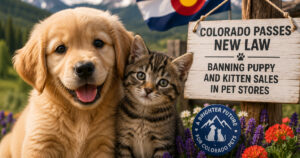
Colorado has banned pet stores from selling puppies and kittens, marking a victory for animal welfare advocates who have long fought against the puppy mill industry. The law takes effect January 1, 2026, and requires pet stores to partner exclusively with animal shelters and rescue organizations if they want to sell dogs and cats.
The legislation addresses a widespread problem. Puppies and kittens sold in pet stores often come from commercial breeding facilities, known as puppy mills and kitten mills, where animals live in poor conditions and receive minimal veterinary care. These facilities prioritize profit over welfare, resulting in animals with genetic health problems, behavioral issues, and infectious diseases.
Under the new Colorado law, pet stores can still operate but must source animals through rescue groups and shelters. This shift redirects customers toward adoption while eliminating the financial incentive for stores to work with large-scale breeders. Several other states, including California, New York, and Illinois, have enacted similar prohibitions.
Animal welfare organizations have documented that puppies from mills frequently develop hip dysplasia, heart disease, and respiratory infections. Kittens from these sources show higher rates of feline leukemia and upper respiratory infections. Pet owners unknowingly purchase sick animals and face expensive veterinary bills.
The law also benefits overcrowded shelters and rescues. These organizations struggle with limited funding while housing thousands of adoptable dogs and cats. By redirecting pet store traffic toward adoption, Colorado shelters gain access to customers who might not have visited otherwise.
Pet stores in Colorado had until the end of 2025 to adjust their business models. Some retailers have already partnered with local rescues. Others have exited the pet sales business entirely, converting space to pet supplies or services.
The Colorado Veterinary Medical Association supported the ban, recognizing that shelter animals often receive thorough health screenings before adoption. Veterin