# 1,500 Beagles Rescued from Wisconsin Lab Farm
A Wisconsin laboratory facility released 1,500 beagles in a major animal welfare rescue operation. The dogs, bred for research purposes, faced placement challenges due to their numbers and specialized needs.
Rescue organizations partnered to coordinate the beagles' transport and adoption. The dogs required medical evaluations and behavioral assessments before placement into homes. Many had spent their entire lives in laboratory conditions and needed socialization to adjust to domestic living.
The beagles received veterinary care addressing health issues common in research animals. Staff vaccinated the dogs, performed spay and neuter surgeries, and treated dental problems. Some dogs showed signs of stress from their previous confinement and benefited from gradual exposure to normal household environments.
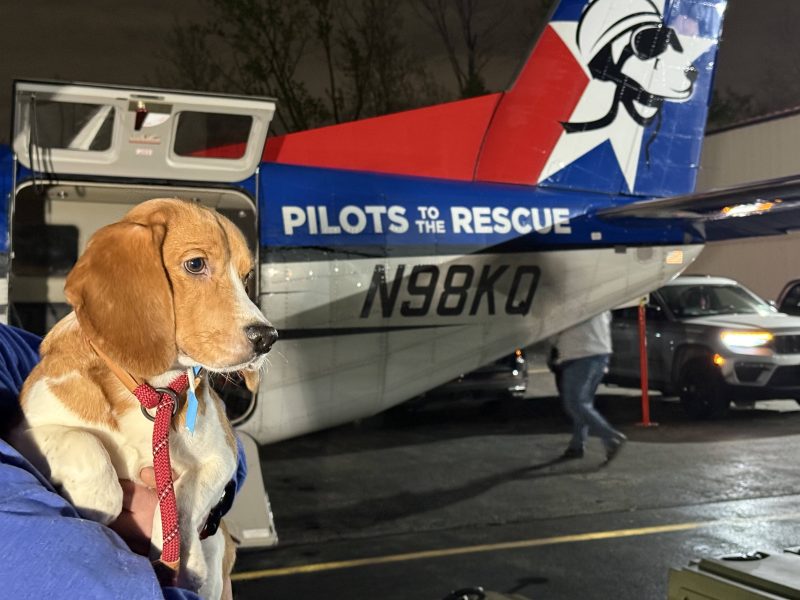
Transport logistics proved complex for moving such a large group. Rescue networks coordinated flights and ground transportation across multiple states. Foster families and adoption centers prepared to receive the beagles in waves rather than all at once.
Behavioral specialists worked with dogs displaying anxiety, fear, or aggression stemming from lab life. Beagles accustomed to kennels needed help learning to walk on leashes, play with toys, and interact with humans in non-clinical settings. Patient, experienced adopters proved essential for dogs requiring extended adjustment periods.
The rescue drew attention from animal advocacy groups who have long criticized laboratory breeding practices. This mass release highlighted ongoing debates about using dogs in research and alternatives to animal testing. The successful coordination demonstrated how rescue infrastructure could handle large-scale operations when facilities closed or released animals.
Adoption agencies encouraged qualified families to consider the beagles, emphasizing their gentle temperament despite difficult backgrounds. Many of the rescued dogs went on to thrive in homes, becoming affectionate family companions. The operation represented a turning point for a significant population of research animals transitioning to civilian life.