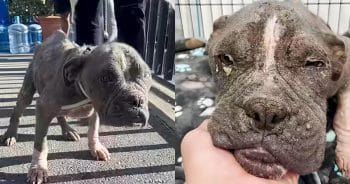
A rescue dog arrived at her new home with severe hair loss, a condition that prompted her adoptive family to get creative with care. The pup, whose coat had been almost completely absent when rescued, needed protection from temperature changes and environmental irritants during her recovery.
Her new family filled her closet with pajamas and soft clothing to keep her comfortable while her fur regrew. The approach addresses a real need for hairless or nearly hairless dogs. Dogs without adequate coat coverage lose body heat quickly and become vulnerable to sun exposure, cold weather, and skin irritation.
Hair loss in rescue dogs stems from several causes. Mange, fungal infections like ringworm, severe neglect, allergies, and stress-related alopecia all leave dogs vulnerable and uncomfortable. Recovery takes time. New hair growth happens gradually as the dog heals from whatever triggered the loss.
Protective clothing serves multiple purposes during this healing window. Soft pajamas reduce friction against sensitive, regrowing skin. They provide insulation when a dog's natural coat cannot. They also create a barrier against dust and irritants that could complicate skin recovery.
Pet parents with hairless or nearly hairless dogs should consult their veterinarian about appropriate clothing. Vets recommend natural fabrics that allow skin to breathe. Cotton and cotton blends work better than synthetic materials that trap moisture. The clothing should fit snugly without restricting movement or causing pressure sores.
This rescue's story highlights how adoptive families adapt to their dog's needs. The family didn't wait for fur to regrow naturally. They took active steps to support their dog's comfort and recovery. Regular vet check-ups tracked the pup's healing progress and ensured no underlying conditions were missed.
For people adopting dogs with hair loss, patience matters. Recovery takes weeks or months depending on the cause. Veterinary guidance on bathing frequency, skin treatments