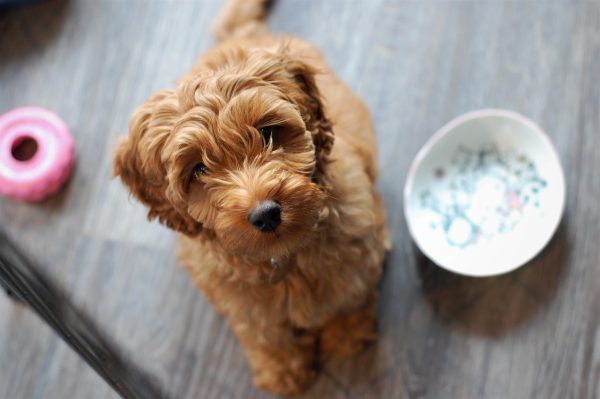
# Designer Breeds Don't Deliver the Promised Benefits, New Study Finds
A new study challenges the appeal of designer dog breeds, revealing that crossbreeds like Labradoodles don't inherit the best traits from both parent breeds as breeders often claim.
Researchers examined popular designer breeds created by crossing two purebred dogs. The goal behind these crosses was typically to combine desirable qualities, such as the Poodle's low-shedding coat with the Labrador Retriever's friendly temperament in the Labradoodle. However, the study found that designer breeds frequently inherit the unwanted traits instead.
The research shows that crossbred dogs don't consistently produce the hybrid vigor that breeders promise. Instead, they often display unpredictable mixes of behavioral and physical characteristics. A Labradoodle might inherit the Poodle's curly coat and high prey drive, or the Labrador's heavy shedding and stubborn streak, or any combination between.
Health issues present another concern. Designer breeds can inherit genetic problems from both parent breeds, sometimes compounding the risks. A dog that carries genes for hip dysplasia from the Labrador side and progressive retinal atrophy from the Poodle side faces doubled vulnerability to these conditions.
The study also noted that designer breeds have contributed to overpopulation in shelters. Many dogs purchased as puppies end up abandoned when their temperaments don't match owner expectations. Shelters now regularly receive adult Labradoodles, Goldendoodles, and other designer crosses because people underestimated the unpredictability of their behavior and care needs.
Veterinarians increasingly advise potential dog owners to research purebreds from responsible breeders or adopt from shelters and rescue organizations. Shelter dogs offer known temperaments, lower costs, and the