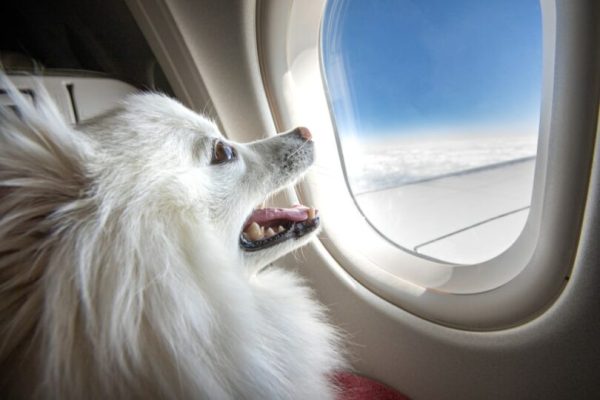
# What Most Airlines Won't Let You Do With Your Dog
Major airlines have strict rules about traveling with dogs, and paying extra won't change them.
Most carriers prohibit dogs from traveling in the cabin unless they qualify as service animals or emotional support animals. This applies even when owners offer additional fees. Airlines classify pets traveling in the cabin into narrow categories. Service dogs for disabilities remain the exception, with full cabin access. Emotional support animals occupy a middle ground, though airline policies on these animals have tightened significantly in recent years.
Dogs traveling as regular pets must go in the cargo hold, where conditions vary by airline. Temperature-controlled cargo areas exist on many flights, but the experience remains stressful for animals. Some airlines impose breed restrictions, blocking certain dogs like pit bulls or brachycephalic breeds (bulldogs, pugs, French bulldogs) due to health and safety concerns.
Weight limits create additional barriers. Most airlines cap cabin-eligible pets at 10 to 15 pounds. Larger dogs automatically go to cargo regardless of owner preferences or willingness to pay premium fees.
Frequent flyer status doesn't grant exceptions. Elite members cannot upgrade their regular dogs to cabin seating. Airlines treat pet policies as non-negotiable safety and liability matters rather than customer service issues.
International travel compounds restrictions. Countries like Australia and the United Kingdom have strict quarantine requirements for imported dogs. Some nations ban specific breeds entirely.
Dog owners planning air travel should book with their airline's specific policies in mind. Contacting the airline directly weeks before travel confirms current restrictions. Considering alternative transportation like road trips or pet-friendly hotels near destinations often reduces stress for dogs. Flying remains the most challenging scenario for canine travelers, even when owners have the budget to pay for premium options.